
As human donors fall short, biotech companies are rewriting animal biology in a race to make transplantable organs at scale.
Opening
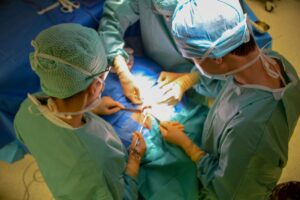
On January 25, 2025, a surgical team at Massachusetts General Hospital completed an operation that experimental medicine had chased for decades. They implanted an engineered pig kidney into the pelvis of Tim Andrews, joined its renal artery and vein to his iliac vessels, and unclamped the blood supply. As perfusion was restored, the tissue flushed pink and began clearing metabolic waste.
For the next 271 days, Andrews lived without a dialysis machine.
The graft did not survive indefinitely. By late autumn, routine laboratory work documented progressive proteinuria and declining glomerular filtration. A percutaneous biopsy revealed microvascular inflammation and the hallmark lesions of thrombotic microangiopathy, with platelet-fibrin thrombi progressively occluding the graft’s glomerular capillaries and renal microvasculature. With renal clearance deteriorating, his clinical team explanted the pig kidney and returned Andrews to maintenance hemodialysis.
Eighty-two days after that explant, another notification arrived. A deceased human donor kidney had become available through the regional allocation network. Surgeons operated on Andrews a second time, implanting the human organ into the same anatomical space. It began functioning immediately.
When the case was reported in The Lancet in September 2026, researchers emphasized two findings that extended well beyond a single patient:
- No porcine pathogen transmission was detected throughout the clinical course, with molecular surveillance detecting no evidence of porcine endogenous retrovirus transmission.
- The nine months Andrews spent carrying porcine tissue had not altered his circulating anti-human leukocyte antigen antibodies. The animal organ had sustained him for three-quarters of a year without generating allosensitisation that would close the door to a conventional human transplant.
The case provided the first reported human example of a genetically engineered porcine kidney serving as a bridge to subsequent human kidney transplantation.
The procedure also brought the central problem of the field into focus. Xenotransplantation has demonstrated biological proof of concept in living patients. What remains is industrial: converting an experimental surgical rescue into a standardized, reproducible therapy.
That transition can be evaluated across five interlocking tests: clinical durability, biological reproducibility, immunosuppressive pharmacology, cross-species biosecurity, and overall economic viability.
Until those conditions are met, manufactured organs remain a research achievement, not a treatment option.
Part I: The Scarcity Problem
Transplant medicine is built on an unavoidable structural deficit: human organs cannot be stockpiled, preserved indefinitely, or produced on demand.
As of 2026, data from the federal Organ Procurement and Transplantation Network records more than 100,000 candidates on the national transplant waiting list, with over 90,000 awaiting a kidney. Historical analyses from the Health Resources and Services Administration reflect an average of 17 candidates dying each day while awaiting an organ, alongside thousands more removed each year after deteriorating past the point of surgical safety.
These figures understate the clinical shortfall. The official waiting list captures only those patients who clear strict medical and psychosocial evaluations.
According to the 2025 Annual Data Report from the United States Renal Data System, more than 800,000 Americans live with end-stage kidney disease. Fewer than 15 percent of that population are on the active deceased-donor waiting list.
During clinical evaluation, multiple factors regularly reduce a patient’s chances of being listed: advanced age, severe peripheral vascular disease, unmanaged coronary artery disease, active substance use, or an absence of the caregiver support required to manage lifelong post-operative drug regimens. Highly sensitized patients, whose blood contains antibodies against common human leukocyte antigens, often wait on registries for years without finding a crossmatch-negative donor.
For patients who do not receive a transplant, the default therapy is maintenance hemodialysis. Dialysis sustains life by clearing metabolic toxins and fluid, but it imposes severe chronic morbidity. Patients face recurrent vascular access failure from arteriovenous fistula thrombosis, central venous stenosis, and catheter-related bloodstream infections.
USRDS registry cohort analyses indicate that adjusted five-year survival for adult patients initiating hemodialysis stands at 41.2 percent for the 2019 initiation cohort (documented in Figure 6.7 of the 2025 Annual Data Report), with outcomes shaped substantially by age and cardiovascular comorbidities.
The financial cost is significant. In recent USRDS reporting years, the Medicare End-Stage Renal Disease entitlement, enacted by Congress in 1972 to guarantee dialysis coverage regardless of age, has accounted for approximately $35 billion to $40 billion in direct annual Medicare spending, representing roughly 6 to 7 percent of Medicare fee-for-service expenditures for approximately 1 percent of beneficiaries.
Transplant centers have worked to expand human donation by accepting organs from older donors, utilizing organs from donors with hepatitis C, broadening paired-donation exchanges, and deploying ex vivo machine perfusion systems to recondition marginal tissues. These initiatives increase transplant volume, but they remain constrained by the natural limits of human donation. They are unlikely to eliminate the structural deficit on their own, and none of them moves the needle on the durability, reproducibility, or cost problems the rest of this piece is about.
Part II: The Control Group
To evaluate the clinical role of an engineered animal organ, it is necessary to examine the existing therapeutic alternatives.
Transplantation is not a simple choice between a pig organ and dialysis. A patient with end-stage renal disease faces a spectrum of treatment paths, each with distinct trade-offs:
- The Living-Donor Kidney: The preferred transplant option when a suitable living donor is available. Organs from living human donors offer median death-censored functional survival commonly cited in national registries between 15 and 20 years, alongside lower rates of delayed graft function. However, living donations account for fewer than a third of annual kidney transplants in the United States.
- The Standard Deceased-Donor Kidney: An organ from an individual who suffered brain death or circulatory death without major comorbidities. These grafts achieve a median death-censored survival around 10 to 12 years, but securing one requires waiting three to five years or longer depending on blood type, candidate sensitization, and regional allocation circles.
- The High-KDPI Human Kidney: Organs with high Kidney Donor Profile Index scores, often from older donors or donors with chronic medical conditions. These organs carry higher rates of delayed graft function and shorter median survival, often five to eight years depending on recipient risk, but they offer an exit from dialysis years sooner than waiting for a standard-criteria graft.
- Home Hemodialysis and Peritoneal Dialysis: Modalities that offer improved hemodynamic stability and quality of life compared to in-center treatments, yet still leave patients vulnerable to cardiovascular mortality and peritoneal infections.
This comparison contextualizes the technology. An engineered animal organ does not need to achieve twenty-year durability on its first clinical outing to offer clinical value.
Transplant surgeon Dr. Jayme Locke has underscored that even an interim graft survival could fundamentally alter clinical options for patients who would otherwise deteriorate before a compatible human organ becomes available. Locke, formerly at the University of Alabama at Birmingham, joined United Therapeutics in 2025 as vice president of medical development for xenotransplantation, one of the two companies profiled in Part IX.
For many intended recipients, the relevant comparator is not an ideal living-donor human kidney. It is prolonged dialysis, vascular exhaustion, and the risk of dying during a multi-year wait for a deceased donor.
Part III: Why Pigs
When researchers first investigated cross-species transplantation in the twentieth century, they focused on nonhuman primates. Chimpanzees and baboons share genetic and anatomical proximity to humans.
Between 1963 and 1964, Dr. Keith Reemtsma at Tulane University transplanted chimpanzee kidneys into thirteen patients, with one recipient surviving nine months before dying of an electrolyte imbalance.
In 1984, Dr. Leonard Bailey transplanted a baboon heart into an infant known as Baby Fae, who survived twenty days.
Those primate experiments revealed practical and ethical limits. Nonhuman primates have slow reproductive turnover, typically bearing single offspring after long gestation periods, and require years to reach adult mass. For several adult organs, primate donors simply were not large enough to supply the necessary mass and circulatory capacity.
The historical turn away from primates also involved acute biosecurity concerns, limited availability, and the extreme difficulty of maintaining large-scale breeding colonies. Primate species carry simian retroviruses and herpes B that can cross species barriers with high lethality, and primate research encountered deep public and bioethical resistance.
The domestic pig (Sus scrofa domesticus) presented a different operational profile.
Swine are phylogenetically distant from humans, which widens the molecular divide, but their internal organ dimensions, vascular calibers, and hemodynamic capacities approximate adult human requirements. A domestic sow reaches sexual maturity within eight months, carries litters of eight to twelve piglets, and has a gestation period of roughly 114 days. Within six months, standard swine lines attain weights of 200 to 250 pounds.
The livestock industry also offered established production knowledge. Decades of veterinary science had refined swine artificial insemination, embryo transfer, closed-herd nutrition, and viral isolation.
According to annual livestock slaughter data from the U.S. Department of Agriculture, the American meat industry processes roughly 128 million hogs annually.
Medical-grade donor animals require specialized cleanroom containment, yet the livestock industry demonstrated that swine possess the reproductive velocity and scalable supply that primates lacked.
Part IV: How Scientists Rewrite Them
Molecular incompatibility forms the foundational barrier to porcine organ transplantation.
When an unedited pig organ is plumbed into human circulation, the recipient’s immune system launches an immediate attack. This hyperacute rejection is driven by natural pre-existing antibodies that circulate in human blood.
Ancestral primates lost the functional gene encoding the enzyme alpha-1,3-galactosyltransferase millions of years ago. Exposure to common gut bacteria displaying similar carbohydrate motifs primes human blood with antibodies against galactose-alpha-1,3-galactose (alpha-gal), a carbohydrate epitope present on normal pig vascular endothelium.
When human blood flows into an unedited pig graft, these circulating antibodies bind to the donor endothelium, activating the complement cascade. Complement proteins assemble into membrane attack complexes, lysing endothelial cells, disrupting the vascular barrier, and triggering widespread platelet thrombosis. In an unmodified xenograft, this cascade can produce hyperacute vascular injury within minutes to hours.
Modern genetic engineering attempts to mitigate this response by editing the swine germline.
Using CRISPR-Cas9 nucleases, geneticists target and disable three primary carbohydrate synthesis genes:
- GGTA1, which eliminates the alpha-gal epitope.
- CMAH, which prevents synthesis of N-glycolylneuraminic acid (Neu5Gc), a sialic acid recognized by human antibodies.
- B4GALNT2, which eliminates an SDa-like carbohydrate xenoantigen recognized by human antibodies.
Eliminating these three targets creates a triple-knockout pig. Preclinical analyses demonstrate that removing these carbohydrate antigens dramatically reduces immediate human antibody binding and complement-mediated destruction. In early human procedures, removing these principal carbohydrate xenoantigens has enabled transplanted pig kidneys to avoid immediate hyperacute rejection, shifting clinical attention toward later microvascular and cellular responses.
Removing antigens addresses only the initial barrier. To control subsequent inflammatory and vascular cascades, researchers insert human transgenes into the porcine genome.
To suppress complement activation, scientists insert human membrane-bound complement-regulatory proteins, including CD46 (membrane cofactor protein), CD55 (decay-accelerating factor), and CD59 (protectin). These surface proteins inhibit separate stages of complement activation, with CD46 and CD55 accelerating convertase decay and CD59 blocking assembly of the membrane attack complex, thereby reducing endothelial injury.
To address coagulation mismatches, researchers insert human thrombomodulin (THBD) and human endothelial protein C receptor (EPCR). Porcine thrombomodulin is structurally inefficient at activating human protein C, leaving thrombin generation unchecked and risking consumptive coagulopathy, a condition in which the recipient consumes platelets and develops systemic bleeding. Expressing human anticoagulant proteins helps maintain patent microvessels.
Finally, researchers address organ sizing. An unedited domestic pig continues growing throughout its multi-year life. In cardiac transplantation, an expanding organ risks compression within the human pericardial space.
To prevent this, platforms such as Revivicor’s incorporate a knockout of the porcine growth hormone receptor (GHR) gene, designed to control post-transplant organ enlargement.
Part V: What Happened When Humans Received Them
The clinical translation of gene-edited pig organs progressed through three phases: nonhuman primate models, brain-dead deceased donor research protocols, and single-patient expanded-access interventions.
Deceased donor research protocols, in which families consented to studying modified pig organs in brain-dead human bodies maintained on mechanical ventilation, provided the first functional data in human physiology.
In late 2021, a team led by Dr. Robert Montgomery at NYU Langone Health attached a genetically modified pig kidney to the femoral vessels of a brain-dead decedent for 54 hours, observing immediate urine production and absence of hyperacute rejection in research published in The New England Journal of Medicine.
Subsequent protocols at UAB and NYU pushed these observation windows out to several days and eventually two full months, demonstrating that multi-gene edited kidneys could filter human blood and clear creatinine without hyperacute rejection.
Those protocols paved the way for compassionate-use procedures in living patients under the FDA’s expanded access regulations (codified under 21 CFR § 312.305 and § 312.310). These pathways permit investigational therapies for patients facing immediately life-threatening conditions for whom no comparable or satisfactory alternative therapy exists.
No two cases ended the same way. Each points to a different limiting factor, or a different kind of success, that the next generation of edits will need to build on:
- David Bennett Sr. (January 2022): Received a 10-gene-edited pig heart (Revivicor) at the University of Maryland. The graft functioned for weeks, but Bennett deteriorated and died on day 60. Subsequent analyses published in the scientific literature identified multiple contributors to graft failure, including severe myocardial injury, high-dose immunosuppressive toxicity, and the detection of porcine cytomegalovirus/porcine roseolavirus (pCMV/PRV) DNA in the myocardial tissue that had not been identified by pre-transplant surveillance.
- Lawrence Faucette (September 2023): Received a 10-gene pig heart at the University of Maryland. The graft sustained his circulation for nearly six weeks before failing on day 40. Published histopathological evaluations documented delayed antibody-mediated rejection, with no signs of active viral infection.
- Richard Slayman (March 2024): A 62-year-old dialysis patient with failing vascular access who received a 69-gene-edited pig kidney (eGenesis) at Massachusetts General Hospital. The kidney cleared waste immediately. Slayman experienced an acute cellular rejection episode on day eight, which was reversed with high-dose corticosteroids and anti-thymocyte globulin. He was discharged home dialysis-free. On day 52, Slayman died from sudden cardiac arrest. An autopsy published in The New England Journal of Medicine identified severe underlying coronary artery disease as the primary cause of death, with no histopathological evidence of acute xenograft rejection.
- Lisa Pisano (April 2024): Received a mechanical left ventricular assist device alongside a 10-gene-edited pig kidney and a subcapsular porcine thymus autograft at NYU Langone. The kidney cleared creatinine for 47 days, but recurrent low systemic blood pressures associated with her advanced heart failure compromised renal perfusion, leading surgeons to explant the graft. Pisano died in July 2024.
- Towana Looney (November 2024): Received a 10-gene-edited Revivicor kidney at NYU Langone, maintaining dialysis independence for 130 days. In early 2025, an unrelated infection required clinicians to taper her immunosuppression, which provoked acute humoral rejection. Clinicians and patient chose to explant the kidney and return to dialysis rather than escalate toxic drug regimens.
- Tim Andrews (January 2025): Maintained dialysis-free kidney function for 271 days with an eGenesis EGEN-2784 graft before the organ was removed due to thrombotic microangiopathy, subsequently receiving a functioning human kidney 82 days later.
Early clinical reports documented immediate filtration and metabolic waste clearance across these initial human procedures, accompanied by ongoing clinical challenges in balancing immunosuppression against secondary medical complications.
Part VI: Why They Still Fail
With hyperacute rejection avoided in early clinical trials, the primary immunological obstacles have shifted toward cell-mediated, innate, and delayed humoral injury.
In standard human allograft transplantation, rejection is driven primarily by the adaptive immune system: cytotoxic T-cells recognizing foreign human leukocyte antigens and B-cells generating donor-specific antibodies. In the Andrews graft, pathologists documented a different pattern.
Detailed pathological examination of the explanted Andrews kidney, reported in The Lancet, revealed microvascular damage characterized by dense macrophage infiltration and natural killer (NK) cell activity, with minimal classic T-cell infiltration.
Porcine endothelial cells remain vulnerable to innate immune surveillance. In the Andrews graft, pathologists noted that human macrophages and natural killer cells were associated with endothelial injury and progressive thrombotic microangiopathy, marked by platelet-fibrin thrombi occluding glomerular capillaries and reducing filtration capacity.
In the Lancet case report, the authors observed that this macrophage-predominant microvascular injury highlights the role of innate cellular pathways that conventional adaptive-immune suppression does not directly target. Standard transplant immunosuppressants like tacrolimus, cyclosporine, and mycophenolate mofetil target T-cell and B-cell activation. Calcineurin inhibitors operate upstream by inhibiting calcineurin-dependent NFAT transcription in T-lymphocytes, but they offer limited control over innate macrophage and natural killer cell activity. Moreover, calcineurin inhibitors cause direct renal arteriolar vasoconstriction over prolonged courses, contributing to tubulointerstitial damage in a fragile xenograft.
To address these pathways, recent clinical protocols have incorporated experimental co-stimulation blockade agents, notably tegoprubart, an investigational anti-CD40L monoclonal antibody developed by Eledon Pharmaceuticals. The CD40/CD154 pathway provides a critical co-stimulatory signal required for T-cell activation, B-cell antibody class switching, and macrophage activation. Earlier anti-CD40L antibodies, such as ruplizumab, were halted in clinical development twenty years ago because their intact Fc regions bound to platelet receptors, provoking thromboembolism. According to clinical trial filings from Eledon Pharmaceuticals, tegoprubart was engineered with an inactive Fc domain, enabling it to block co-stimulation without inducing platelet aggregation.
Balancing this suppression remains difficult. If clinicians escalate co-stimulation and innate suppression regimens to prevent microvascular injury, the patient becomes vulnerable to opportunistic bacterial, fungal, and viral infections. If they reduce immunosuppression to clear an infection, the human immune system recognizes the foreign tissue and initiates acute humoral rejection, as occurred in Towana Looney’s graft.
Beyond immunology, several physiological questions remain under investigation:
- Porcine kidneys operate under different baseline glomerular filtration pressures and handle tubular uric acid excretion through distinct transport mechanisms compared to human kidneys.
- Human and porcine erythropoietin share substantial structural homology. Long-term human trials will need to establish whether a porcine graft can sustain recipient erythropoiesis without supplemental hormone therapy.
- The interaction between the porcine renin-angiotensin-aldosterone system and human vascular receptors over years remains unmapped, presenting an open question regarding long-term blood-pressure regulation.
These are durability and pharmacological questions the field still has to answer.
Part VII: Failure as Information
In early medical research, setbacks are often interpreted publicly as definitive failures. In xenotransplantation, explanted grafts and clinical complications have served as diagnostic checkpoints that directly reshape donor genetics and screening protocols.
The field’s learning curve began well before living patients. Early deceased donor research protocols initially evaluated pig kidneys for just 54 hours. As surgical teams confirmed the immediate absence of hyperacute rejection, investigators pushed observation windows to one week, several weeks, and eventually two full months in brain-dead human bodies, gathering empirical data on human hemodynamics and urinary clearance that animal models could never replicate.
The death of David Bennett Sr. in 2022 accelerated this diagnostic cycle. When his pig heart failed at day 60, tissue necropsies detected unexpected porcine cytomegalovirus DNA within the myocardium.
The episode highlighted the limitations of relying solely on superficial nasal and blood PCR swabs, underscoring published recommendations for multi-tissue sampling and metagenomic sequencing assays to evaluate donor animals across internal tissue compartments and developmental stages.
Similarly, the loss of Towana Looney’s kidney after a drug taper provided clinicians with empirical boundaries regarding the minimum co-stimulation blockade required to suppress humoral injury. The explanted Andrews kidney mapped out the architecture of late-stage macrophage-mediated microvascular injury, offering specific molecular targets for the next iteration of transgenes.
Looney’s case illustrated how rapidly humoral injury can emerge when clinicians taper co-stimulation blockade to clear an active infection. In Andrews, months of subclinical microvascular injury preceded detectable graft decline. These clinical experiences offer concrete reference points for the immunological challenges that subsequent trials must navigate.
Part VIII: The Organ Factory
To understand the industrial ambitions of xenotransplantation, one must look away from the surgical suite and examine the agricultural facility.
A conventional human donor organ is an emergency product recovered under uncontrolled circumstances. The donor may have suffered cardiac arrest, prolonged low blood pressure, or severe systemic inflammation. Transplant surgeons work under intense time constraints, accepting organs that have sustained warm and cold ischemic injury. The goal of xenotransplantation is to replace that emergency salvage system with standardized biological production.
The process begins with nuclear transfer cloning. Geneticists edit the nuclei of swine fetal fibroblasts using CRISPR nucleases, confirm the integrity of the edits through sequencing assays, and insert those modified nuclei into enucleated pig oocytes. The reconstructed embryos are transferred into surrogate sows, producing litters of clonal animals.
In specialized biosecure source facilities, such as those developed by United Therapeutics (Revivicor) and eGenesis, donor animals are reared under strict isolation protocols. Air passes through multi-stage filtration systems, including high-efficiency particulate air (HEPA) filters, with positive pressure maintained in animal housing bays to limit external air ingress. Facility personnel enter through cleanroom airlocks, change into dedicated protective garments, and follow decontamination procedures. Drinking water is filtered and ultraviolet-sterilized, while feed is formulated from controlled ingredients and treated to reduce microbial contamination. In some programs, foundational litters are delivered via sterile cesarean derivation to bypass exposure to the maternal vaginal microbiome.
Cleanroom containment highlights the central engineering problem of the field: CRISPR can standardize a genetic sequence, but it cannot standardize biology.
Two cloned pigs carrying identical genomic edits, housed in the same cleanroom suite and fed the same diet, remain distinct living organisms. To meet commercial and regulatory expectations, developers work to demonstrate that closed herds can consistently yield organs with predictable vascular anatomy, functional nephron density, and stable transgene expression across generations without spontaneous mutations or epigenetic silencing.
Part IX: The Corporate Race
Two American biotechnology companies are currently among the leading commercial developers of xenotransplantation, operating on divergent engineering philosophies.
United Therapeutics and Revivicor
United Therapeutics, a public biotechnology company founded by Martine Rothblatt, entered the field through its acquisition of Revivicor.
The company’s platform relies on a 10-gene modification profile:
- Four knockouts: GGTA1, CMAH, B4GALNT2, and the growth hormone receptor GHR.
- Six human knock-ins: CD46 and CD55 (complement control), THBD and EPCR (coagulation), CD47 (macrophage regulation), and HO-1 (anti-inflammatory).
United Therapeutics’ platform does not inactivate Porcine Endogenous Retroviruses (PERVs), reflecting the company’s position that existing surveillance has not demonstrated transmission in living recipients or nonhuman primates, and that extensive additional double-stranded DNA cuts introduce unnecessary risks of off-target mutations and chromosomal rearrangements.
The company is moving forward with formal trials. Its EXPAND study evaluating the 10-gene UKidney in patients with end-stage renal disease is currently recruiting. The trial protocol targets individuals unlikely to receive a conventional human kidney within five years. United Therapeutics reported the first transplant under this protocol in November 2025. In May 2026, the company announced that the FDA had cleared an Investigational New Drug application for its EXPRESS study, an early evaluation of the 10-gene UHeart that begins with an initial cohort of up to two patients, with mandatory review pauses between procedures.
eGenesis
Cambridge-based eGenesis, co-founded by George Church and Luhan Yang, pursues a more extensive genomic modification strategy.
The company maintains that physical cleanroom barriers cannot eliminate retroviruses embedded directly in the porcine genome. Because PERVs are inherited vertically down every generation, eGenesis contends that leaving functional retroviral sequences inside an organ exposed to long-term immunosuppression represents a public health risk that should be addressed at the genetic level.
Its primary candidate, EGEN-2784, carries 69 genomic edits:
- Three carbohydrate knockouts (GGTA1, CMAH, B4GALNT2).
- Seven human transgenes (CD46, CD55, CD59, THBD, PROCR, CD47, and A20).
- Fifty-nine distinct, multiplex CRISPR knockouts that systematically inactivate functional copies of the PERV reverse transcriptase gene across the porcine genome.
The units are not directly comparable. United Therapeutics counts ten distinct gene additions and deletions. eGenesis includes fifty-nine targeted inactivations of retroviral sequences across the porcine genome alongside its ten immune and carbohydrate edits.
The platforms reflect opposing risk calculations. United Therapeutics prioritizes genomic stability across breeding generations by keeping modifications to a targeted minimum, emphasizing the reproducibility test. Conversely, eGenesis prioritizes biosecurity by systematically knocking out endogenous retroviruses, accepting the challenge of maintaining a heavily edited 69-gene genome.
As of September 2026, eGenesis reported that five patients had received EGEN-2784 kidneys through expanded-access pathways, with three maintaining dialysis-free renal function for more than eight months and one patient passing nine months. Having received FDA clearance for a formal clinical trial, eGenesis has announced plans to begin enrollment in early 2027.
Part X: Can Regulators Turn a Living Animal into a Medical Product?
The transition from compassionate-use procedures to prospective clinical trials places xenotransplantation under shared regulatory jurisdiction within the Food and Drug Administration.
FDA regulates xenotransplantation products for human use through the Center for Biologics Evaluation and Research (CBER) under Section 351 of the Public Health Service Act and applicable provisions of the Federal Food, Drug, and Cosmetic Act. In parallel, the FDA Center for Veterinary Medicine (CVM) oversees the intentional genomic alterations in donor swine through a risk-based regulatory framework. This dual structure leads sponsors to address both the characterization and biological safety of the source herd and the pre-implantation consistency and functional viability of the harvested organ.
Trial designs reflect this regulatory caution. In United Therapeutics’ EXPAND trial, the protocol evaluates safety and graft performance over primary endpoints focused on 24-week outcomes, including patient survival, graft survival, measured glomerular filtration rate, and quality of life, alongside long-term post-transplant follow-up. The protocol cleared for the UHeart EXPRESS trial, which limits initial enrollment to up to two participants with mandatory safety reviews between implants, illustrates the agency’s cautious approach toward vital organ xenotransplants.
The agency’s most demanding recommendations focus on biosecurity. Under the FDA’s 2016 guidance, Source Animal, Product, Preclinical, and Clinical Issues Concerning the Use of Xenotransplantation Products in Humans, together with the PHS Guideline on Infectious Disease Issues in Xenotransplantation, issued in 2001 and updated by FDA in 2022, the agency recommends that trial sponsors establish comprehensive biological archives. The guidance recommends that recipients agree to lifelong medical follow-up, periodic clinical monitoring, and post-mortem examination. It also recommends that sponsors archive donor animal tissue and baseline recipient serum for decades, specifically recommending that certain post-mortem tissue and fluid specimens be retained for up to 50 years to enable retrospective analysis if an unexplained illness arises.
Part XI: Who Pays When Organs Become Manufacturable?
If biotechnology companies demonstrate that engineered animal kidneys can provide multi-year survival, they will alter the financial architecture of nephrology.
The economic baseline is established by the cost of dialysis. According to the 2024 and 2025 USRDS Annual Data Reports, direct Medicare expenditures for a hemodialysis patient average approximately $90,000 to $100,000 per patient per year. Over a three-year period, direct maintenance care routinely approaches $300,000, excluding indirect costs such as lost employment, medical transport, and recurrent cardiovascular hospitalizations.
Whether an engineered xenograft becomes economically viable depends on a balance of competing clinical and financial variables. At a high acquisition price, a graft that fails after six or twelve months could represent a substantial net financial cost if the patient quickly returns to dialysis. Conversely, an animal organ that functions reliably for several years could offset much of its initial cost through avoided dialysis sessions, fewer vascular access repairs, and reduced cardiovascular hospitalizations. The economic break-even point is not fixed. It depends on the organ’s commercial price, surgical costs, immunosuppressive drug expenses, complication rates, and graft durability.
From a health-economics perspective, achieving commercial viability largely depends on whether an engineered organ can reduce total downstream hospitalizations and chronic therapy expenditures below the compounding costs of dialysis, an outcome that requires multi-year trial data to evaluate.
Solving organ supply could also expose downstream constraints in healthcare delivery. A large increase in xenokidney availability could shift pressure onto transplant surgeons, operating rooms, and inpatient capacity across the roughly 250 transplant hospitals operating as designated member centers of the Organ Procurement and Transplantation Network. Furthermore, if one or two companies dominate the supply of cleared donor swine through proprietary patents on guide RNAs and nuclear transfer methods, they could acquire substantial pricing power. Access to life-sustaining organs could become subject to commercial reimbursement negotiations, creating access disparities between well-insured populations and public-payer systems.
Part XII: Who Gets the First Organs?
When clinical trials expand, supply will inevitably be constrained. Rearing medical-grade swine in positive-pressure cleanrooms is a slow, capital-intensive process. Early trial cohorts will count in the dozens, not the thousands.
In conventional transplantation, allocation is governed by the national OPTN network, based on biological compatibility, waiting time, geographical proximity, and medical urgency. For early xenotransplantation trials, selection criteria are deliberately restrictive. In protocols like United Therapeutics’ EXPAND study, enrollment is restricted to adult patients with end-stage renal disease who are either ineligible for conventional human transplantation or are waitlisted candidates evaluated as more likely to die or remain untransplanted within five years than receive a compatible human kidney. Some expanded-access cases have similarly focused on patients who had exhausted vascular-access options or had extremely high panel-reactive antibody levels approaching 100 percent.
Trial enrollment criteria are, in effect, a reproducibility test: who gets in determines whether the results will generalize. By testing experimental organs in the sickest, most immunologically complex patients, researchers risk graft failure driven by the patient’s underlying comorbidities rather than the organ’s biology, as occurred in Richard Slayman’s fatal cardiac event.
As the technology matures, allocation will face difficult policy questions. If a patient accepts a pig kidney, should they remain actively listed for a human organ, as Tim Andrews was? If that xenograft functions well, continuing to list the patient could disadvantage another candidate on dialysis awaiting a human organ, and delisting them would penalize a patient for accepting an unproven experimental therapy.
Part XIII: Who Bears the Risk?
Xenotransplantation introduces ethical questions that differ fundamentally from other areas of medical technology.
The first concerns animal welfare in biosecure confinement. The utilitarian case for xenotransplantation is straightforward: society slaughters roughly 128 million pigs each year in the United States alone for consumer food products. In a future scaled industry, breeding a small fraction of that number to prevent human deaths from organ failure would represent a modest demand on livestock infrastructure.
The ethical tension lies in the conditions of that confinement. In specialized pathogen-free containment, donor pigs are sheltered from the environmental pathogens of conventional outdoor farming, but they spend their lives in enclosed, filtered bays subjected to continuous veterinary surveillance. The moral question is whether society is comfortable engineering sentient animals whose genetics and lifetime confinement are designed exclusively for anatomical harvest.
The second consideration involves religious jurisprudence, where theological scholarship draws clear boundaries between dietary consumption and therapeutic preservation of life. In Jewish bioethics, rabbinic authorities ground their analysis in the paramount Talmudic principle of pikuach nefesh, the biblical obligation to preserve human life. Classical halakhic authorities clarify that dietary kosher laws apply to the oral ingestion of pork rather than surgical transplantation of porcine tissues to treat life-threatening conditions. In Islamic jurisprudence, contemporary scholars engage the foundational legal doctrine of darurah (extreme necessity). Some jurists argue that preserving life permits the use of porcine materials when no permissible alternative exists. Others maintain that swine remain categorically impure (najis al-ayn) and cannot be used inside the human body, leaving the religious permissibility of animal organ replacement subject to ongoing legal debate.
The most difficult ethical consideration is collective biosecurity. In ordinary clinical research, risks are borne by the patient who signs the informed consent form. In xenotransplantation, biological risks cross beyond the individual. If a porcine retrovirus or an unmapped animal pathogen adapts to human biology within an immunosuppressed patient, it could transfer to healthcare workers, family members, and the broader community.
In public health and bioethics scholarship, the core dilemma of xenotransplantation centers on shared exposure: a surgical patient assumes individual operative risks, yet the surrounding community bears the epidemiological risk if an animal pathogen adapts to human transmission. This collective vulnerability explains why regulatory frameworks place heavy emphasis on lifelong surveillance, continuous sample archiving, and public health tracking. It also complicates the ethics of informed consent, raising the question of what voluntary consent looks like when a patient facing imminent death on a failing dialysis circuit is asked to accept lifelong medical surveillance and biological sample retention.
Part XIV: What Would Actually Count as Success?
As xenotransplantation moves into formal clinical trials, the field requires objective benchmarks. Demonstrating that a pig kidney can function in an isolated patient proves biological feasibility, but it does not establish a clinical therapy ready for routine adoption.
Moving from experimental intervention to reproducible therapy requires clearing five practical tests:
- The Durability Test: Demonstrating consistent, dialysis-free graft survival across prospective cohorts, establishing longevity that justifies surgical intervention.
- The Reproducibility Test: Achieving predictable outcomes across multiple academic medical centers and diverse patient demographics, moving beyond isolated successes at elite institutions.
- The Pharmacological Test: Developing maintenance immunosuppressive regimens that prevent microvascular injury and acute rejection without inducing fatal opportunistic infections or severe drug nephrotoxicity.
- The Biosecurity Test: Proving through metagenomic sequencing and long-term surveillance that cross-species retroviral transmission and latent viral reactivation can be reliably managed at scale.
- The Economic Test: Demonstrating that the total cost of donor animal production, surgical implantation, and outpatient management is competitive with the multi-year costs of maintenance dialysis.
In evaluating durability, achieving a full year of dialysis-free function represents a critical threshold for routine clinical adoption. If trials demonstrate shorter survival times, animal organs may instead find their primary clinical value as a temporary bridge therapy, sustaining patients until a compatible human organ becomes available.
Conclusion: The Waiting List
For seventy years, the defining image of organ transplantation has been an ice cooler moving through the night.
A surgical team travels across state lines on an emergency charter flight. An ambulance speeds through highway traffic. A coordinator races against a cold ischemia clock, trying to deliver a heart or a kidney before cellular death renders it unusable.
The entire system is a triumph of logistics built on top of an enterprise of biological salvage. It requires an unexpected death to rescue another person from dying.
Xenotransplantation proposes an entirely different reality.
If biotechnology companies can solve the challenges of immune rejection and biosecure production, the ice cooler on the midnight flight could give way to something far less dramatic: a scheduled delivery from a controlled facility.
In that version of the future, the operating room is booked weeks ahead, not scrambled together overnight. The patient arrives from home rather than from a waitlist notification, ready to leave dialysis behind for good.
That future is not yet established. The field has moved past initial skepticism. What is left is a slower fight: human immunology, microvascular pathology, and biological variance, one patient at a time.
The transplant waiting list was created by the natural limits of human donation. The clinical experiment is no longer theoretical. The industrial promise still is.
The trial cohorts are enrolling, the cleanrooms are operating, and the data are accumulating one patient at a time.
