

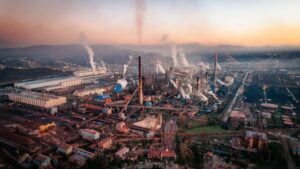
The Century-Long Legacy of Synthetic Chemicals That Refuse to Disappear
PFAS and other persistent chemicals have been detected in Arctic wildlife, remote waters and human populations far from many of their original sources. They have outlasted much of the industrial machinery that made them.
That durability was never an accidental defect of modern chemical manufacturing. It was the engineering specification.
For a century, synthetic chemistry pursued a commercial objective: materials that would not break down. Manufacturers wanted substances that could resist fire, repel water, withstand concentrated acids, insulate high-voltage equipment and endure friction. That stability made much of modern industry possible, from nonflammable transformer fluids and non-stick coatings to waterproof fabrics and chemical-resistant fluid handling in electronics manufacturing.
The same property now creates a structural problem for environmental governance. A consumer product becomes obsolete in a few years. A factory closes after a few decades. A regulatory prohibition may arrive decades after that. But some of these molecules can persist for decades, centuries or longer under environmental conditions.
As supply chains expanded, the geography of production, the geography of consumption and the geography of contamination came apart. A chemical made in one region can be built into components in another, sold in a third, discarded in a fourth, and detected decades later in remote water, wildlife and human blood. This is a collision between an industrial economy built on molecular durability and a biosphere built on recycling.
Act I: The Promise of Immortality
The commercial pursuit of molecular stability began in the early twentieth century. Industrial materials had long depended on natural feedstocks such as plant resins, animal fats, natural rubber and petroleum distillates, many of which oxidize, absorb moisture, break down thermally or are digested by microbes. When electrical equipment sparked or machinery overheated, natural hydrocarbons could gum up, degrade or ignite.
Halogen chemistry offered a way around this. By introducing chlorine, bromine or fluorine into organic molecules, chemists could alter reactivity and stability in ways that produced materials with unusual resistance to degradation.
Polychlorinated biphenyls (PCBs), commercialized in 1929, were an early triumph of this approach. The US Environmental Protection Agency notes their nonflammability, chemical stability, high boiling point and strong electrical insulating properties. Utilities adopted them as dielectric fluids in transformers, capacitors and switches, and industry used them as heat-transfer fluids, hydraulic fluids and plasticizers.
For decades PCBs were regarded as engineering successes. They reduced fire risk in dense electrical systems, and equipment could run for decades without the fluid needing replacement. Their value lay in exactly the quality that later became the problem: they did not change.
US manufacturers continued producing PCBs until a federal ban took effect in 1979, after mounting evidence that they accumulated in food webs, settled into river sediments and caused liver, reproductive and developmental harm. Persistence was part of what PCBs were sold for.
Act II: The First Warnings: DDT and the Ecology of Transport
PCBs showed what persistence meant inside enclosed equipment. DDT showed what it meant when persistent chemistry was deliberately spread across open land.
Dichlorodiphenyltrichloroethane (DDT) was first synthesized in 1874 by Othmar Zeidler. Its insecticidal properties were recognized in 1939 by the Swiss chemist Paul Hermann Müller. It proved effective against typhus and malaria vectors during the Second World War, and Müller received the Nobel Prize in Physiology or Medicine in 1948. DDT was then used on an enormous scale across agriculture and public-health programmes. Its commercial appeal rested on residual action: a single application stayed active against insects far longer than short-lived botanical insecticides.
By the late 1950s and 1960s, the same stability was linked to ecological damage. DDT illustrated three mechanisms that recur in later persistent pollutants:
- Persistence. Its chlorinated aromatic structure resisted microbial and chemical breakdown in soils and sediments, with environmental half-lives measured in years to decades.
- Long-range transport. Because it was semi-volatile, it could evaporate from warm regions, travel in the atmosphere and condense in colder ones, so local use produced transboundary fallout.
- Biomagnification. DDT is poorly soluble in water and highly soluble in fat. It concentrated up food chains into predatory birds such as bald eagles, peregrine falcons and ospreys, where it disrupted calcium metabolism and thinned eggshells.
The United States cancelled most agricultural registrations of DDT in 1972. More than half a century later, EPA documentation still describes its persistence, its bioaccumulation and its ecological effects, and residues of DDT and its breakdown products DDE and DDD remain detectable in the environment.
It would be a mistake to treat all persistent chemicals as interchangeable. PFAS are not simply “the new DDT.” Each family differs in structure, exposure pathway and environmental behavior:
| Chemical family | Characteristic chemistry | Main commercial use | Main environmental and biological behavior |
|---|---|---|---|
| DDT and organochlorines | Chlorinated aromatic hydrocarbons | Agricultural and public-health insecticide | Storage in fatty tissue; eggshell thinning; biomagnification |
| PCBs | Chlorinated biphenyl rings | Nonflammable dielectric fluid | Strong sediment binding; resistance to degradation; accumulation in lipids |
| CFCs | Volatile chlorofluorocarbons | Refrigerants, propellants, solvents | Rise to the stratosphere; release of chlorine; ozone depletion |
| PFAS | Per- and polyfluoroalkyl substances | Water, oil, heat and chemical resistance; surfactants | Often water-mobile; protein binding in blood; circulation through water and air |
| Emerging substitutes | Short-chain and ether PFAS and other fluorinated alternatives | Preserve performance after restrictions | Often more mobile; some alternatives may create new environmental or toxicological concerns |
Where DDT and PCBs tended to lodge in fat, many PFAS behave differently: they move through water.
Act III: The Fluorine Revolution
In April 1938, at DuPont’s Jackson Laboratory in New Jersey, the chemist Roy Plunkett was working with tetrafluoroethylene gas stored in cylinders. A cylinder that should have been full released no gas, yet still weighed what a full one should. Cutting it open, he found the gas had polymerized into a white, waxy solid: polytetrafluoroethylene (PTFE).
PTFE resisted aggressive acids, had an extremely low coefficient of friction, tolerated high temperatures and repelled both water and many organic solvents. DuPont patented it and registered the Teflon trademark in 1945.
The explanation lies in the carbon-fluorine bond. Fluorine is the most electronegative element, and the carbon-fluorine bond is among the strongest single bonds in organic chemistry. Fluorination can give molecules unusual resistance to heat, chemicals and environmental degradation, which is why the same bond that makes a coating durable also makes a molecule slow to break down once released.
That usefulness was demonstrated during the Manhattan Project. Uranium enrichment at Oak Ridge involved uranium hexafluoride, a highly corrosive compound, and fluorinated materials offered the chemical resistance needed for handling it.
After the war, manufacturers turned fluorination into commercial product lines. In the 1950s, 3M industrialized electrochemical fluorination, which yielded compounds including perfluorooctanesulfonic acid (PFOS). DuPont and others used processes that relied on perfluorooctanoic acid (PFOA) as a processing aid in making fluoropolymers such as Teflon. From non-stick cookware and stain repellents to aqueous film-forming foams (AFFF) developed with the US Navy in the 1960s for liquid fuel fires, fluorinated chemistry became a leading tool for modifying how surfaces repel water and oil.
Act IV: The Hidden Industrial Lock-In
Public attention to PFAS has centered on consumer products: non-stick pans, stain-resistant carpets, waterproof clothing and food packaging. These are the visible surface of a deeper industrial reality. Over several decades, fluorinated materials became embedded in sectors where failure is costly, and the OECD’s synthesis work on fluoropolymers describes their wide use across industries while stressing significant information gaps on identity, formulations, degradation and emissions.
Three sectors show how that dependence develops.
Semiconductors. Fluorinated materials are deeply embedded in parts of advanced semiconductor manufacturing, particularly in chemical-resistant fluid handling and some lithography-related processes. Fluoropolymers such as PFA and PTFE are used for tubing, valves and pump components that must withstand aggressive process chemicals.
Clean energy. Fluoropolymers are used in some photovoltaic, wind-energy and battery applications where resistance to heat, chemicals, weathering or electrical degradation is valuable. Fluorinated polymer membranes such as Nafion are used in some electrolyzer designs, and polyvinylidene fluoride (PVDF) is widely used as a binder in lithium-ion batteries. Some technologies used in the energy transition therefore incorporate fluorinated materials, even as alternatives are developed.
Aerospace and medicine. Fluoroelastomers and perfluoroelastomers are used in seals and gaskets exposed to aggressive fluids and temperature extremes. AFFF was adopted for high-hazard Class B fuel fires because its film-forming properties can rapidly suppress burning fuel. In medicine, ePTFE has been used in devices including vascular grafts and surgical meshes.
The dilemma is therefore structural. Rapidly eliminating all persistent chemicals by legislative decree would run into established hardware and process dependencies across electronics, energy, transport and healthcare, which is why the choice of which uses to end first matters as much as the decision to end them.
Act V: The World Becomes the Sink
Because many persistent synthetic chemicals resist rapid biological and chemical degradation, environmental systems often redistribute rather than rapidly neutralize them.
A 2024 study in Nature Geoscience compiled 48,985 samples from 367 studies and government sources and found PFAS widely present in surface water and groundwater worldwide. Contamination has been documented in areas associated with airports, military sites, industrial facilities, waste management and wastewater-related pathways, and it is no longer confined to the fence lines of production plants.
Polar regions
The Arctic Monitoring and Assessment Programme (AMAP) reports that ocean currents, rivers and the atmosphere carry industrial pollutants from lower latitudes to the Arctic, and that traditional foods, especially marine mammals, are key sources of exposure to persistent pollutants for Arctic residents. PFAS have been measured in Arctic wildlife, including ringed seals. Communities that depend on marine mammals for food therefore face exposure to chemicals they did not produce, which raises a clear environmental-justice concern.
The pattern extends to the far south. A 2025 study in Communications Earth & Environment detected 17 of 19 targeted perfluoroalkyl acids (PFAAs) in sampled Atlantic and Southern Ocean waters, showing that these compounds reach even remote marine regions.
The ocean as a return route
Many PFAS are surface-active and can concentrate at the air-water interface. Bursting bubbles in breaking waves can transfer them into sea-spray aerosol. Sea-spray aerosols can become strongly enriched in surface-active PFAS relative to underlying seawater, providing a pathway for their return to the atmosphere. The ocean is therefore not only a sink but also a source.
Rainwater
A 2022 study in Environmental Science & Technology assessed four PFAAs (PFOA, PFOS, PFHxS and PFNA) in the atmosphere and precipitation. It found that PFOA and PFOS in rainwater often exceeded the US drinking-water advisory levels in force at the time, including at remote locations, and discussed atmospheric cycling and sea-spray transport. The findings led the researchers to argue that PFAS pollution has exceeded a proposed planetary boundary for chemical pollution.
Human biomonitoring
Many PFAS behave differently from fat-seeking pesticides. They bind to blood proteins such as serum albumin, and some remain in the body for years. The US Centers for Disease Control and Prevention has measured PFAS in the blood of the US population through its National Health and Nutrition Examination Survey (NHANES) since 1999. NHANES biomonitoring has repeatedly detected PFAS in the US population. In 2017-2018, the National Academies of Sciences, Engineering, and Medicine (NASEM) estimated that 98% of the NHANES-represented population had summed blood PFAS concentrations of at least 2 ng/mL, the threshold used in its proposed clinical screening framework.
The Agency for Toxic Substances and Disease Registry (ATSDR) reports that certain PFAS exposures are associated with:
- elevated cholesterol
- reduced antibody response to vaccines
- changes in liver enzymes
- pregnancy-induced hypertension and preeclampsia
- small decreases in birth weight
- kidney and testicular cancer (for PFOA)
An association across populations does not mean that every one of thousands of PFAS causes every one of these outcomes. Persistence still matters for exposure because some PFAS remain in the body for years, although biological half-lives vary substantially among compounds, from days to eight years or more.
Act VI: Where It Leads: The Global Matrix
Persistent chemicals cannot be understood through national lenses alone, because production, regulation, enforcement and environmental burden sit in different places. Each of the cases below shows a different structural role.
United States: liability
The United States became an early center of industrial fluorochemistry, anchored by 3M’s manufacturing in Cottage Grove, Minnesota, and DuPont’s Washington Works in Parkersburg, West Virginia. Decades of discharges to the Ohio River basin and regional landfills became the subject of major toxic-tort litigation.
In April 2024, EPA finalized national drinking-water standards for PFAS. The maximum contaminant levels are 4 parts per trillion (ppt) for PFOA and PFOS, 10 ppt for PFHxS, PFNA and HFPO-DA (GenX), and a Hazard Index for certain mixtures. EPA also designated PFOA and PFOS as hazardous substances under CERCLA, the Superfund law.
Implementation has become contested. In 2026, EPA proposed extending the compliance deadline for PFOA and PFOS to 2031. This remains a proposal, not a completed regulatory change. EPA has also proposed rescinding the regulatory determinations for some of the other regulated PFAS and the mixture Hazard Index.
The financial pressure is visible in the litigation. 3M agreed to a settlement with US public water systems with a present-value commitment of up to $10.3 billion and a nominal payment range of $10.5 billion to $12.5 billion. DuPont, Chemours and Corteva agreed to a $1.185 billion settlement. A 2023 American Water Works Association (AWWA) commissioned analysis estimated that installing treatment to meet the proposed PFOA and PFOS levels could exceed $3.8 billion annually.
European Union: class regulation
The European Union has pursued the broadest approach. In January 2023, Germany, Denmark, the Netherlands, Norway and Sweden submitted a proposal under REACH to restrict PFAS as a class, covering roughly 10,000 substances. The European Chemicals Agency’s Risk Assessment Committee (RAC) adopted its opinion in March 2026. The Socio-Economic Analysis Committee (SEAC) is expected to deliver its final opinion by the end of 2026, after which the restriction would continue through the wider REACH decision process.
The EU is also acting on narrower fronts:
- Restrictions on C9-C14 perfluorocarboxylic acids (PFCAs) have applied since 25 February 2023.
- Restrictions on PFHxA and related substances began applying to certain firefighting foams in April 2026. Further restrictions on textiles in clothing, footwear, food-contact paper and cosmetics begin in October 2026.
- An EU-wide PFAS restriction for firefighting foams was adopted in 2025, with transitional conditions beginning in October 2026 and a general prohibition from October 2030, and some derogations lasting to 2035.
- Denmark prohibited PFAS in paper and board food-contact materials from 1 July 2020, providing an early example of a consumer application in which PFAS could be restricted.
Europe also carries legacy contamination at sites such as Chemours in Dordrecht in the Netherlands and 3M in Zwijndrecht in Belgium. In July 2022, 3M Belgium and the Flemish government announced an agreement in which 3M Belgium committed about €571 million to remediation and other measures connected to its Zwijndrecht plant, and the government retained its authority to act in the future.
China: production concentration
Western restrictions did not end fluorochemical manufacturing. Production capacity is now heavily concentrated in East Asia.
A 2026 global inventory in Environmental Science & Technology identified 56 fluoropolymer production plants across 11 countries, including 52 currently operating facilities. China accounted for an estimated 60% of global PTFE and PVDF production capacity in 2022. Shandong Dongyue Group has been estimated to hold about 13% of the global fluoropolymer market, alongside Western producers such as Chemours, Daikin and Solvay/Syensqo.
The same research estimated that about 14 million people live within 10 kilometers of a fluoropolymer plant, of whom roughly 52% are in China, 24% in Japan, 13% in Europe and 9% in the United States. A 2025 study estimated that China produced about 120 tonnes of ten target PFAS, with about 104 tonnes used in downstream manufacturing and roughly one-third of that emitted to the environment. These figures describe the study’s ten target compounds, not total PFAS production in China.
India: regulatory asymmetry and industrial relocation
India’s expanding chemical corridors, concentrated in Gujarat and Maharashtra, represent a newer phase of the story. Miteni, an Italian fluorochemical manufacturer whose PFAS contamination affected drinking-water supplies in Veneto, went bankrupt in 2018. Corporate filings from Laxmi Organic Industries confirm that it acquired Miteni assets, plant and machinery and design and operating documentation and relocated them to Lote Parshuram in Maharashtra, and a February 2026 Rajya Sabha reply from India’s environment ministry confirmed that the company procured manufacturing infrastructure from Miteni in 2021-22.
The relocation has triggered protests and scrutiny over whether India’s regulatory framework is equipped to manage fluorochemical production and potential PFAS risks. The company disputes allegations of harm. The same Rajya Sabha reply stated that the facility’s effluent treatment and air pollution control systems were operational and that its latest joint vigilance sample results, dated 4 November 2025, were within consented standards. Contamination attributed to the plant has not been established in the sources reviewed for this article.
Separately, a 2026 study in Environment International of sediments from the upper Ganges and the Ganges Canal detected 16 individual PFAS, dominated by short-chain and ultrashort-chain compounds, and found that targeted PFAS accounted for only about 1% of extractable organic fluorine before an oxidation step was applied. The finding illustrates a broader analytical problem: targeted PFAS monitoring can capture only a fraction of the total extractable organic fluorine present in an environmental sample.
Japan: monitoring and industrial legacy
Japan combines large-scale fluorochemical manufacturing with extensive environmental monitoring. It is home to Daikin Industries, a major fluorochemical producer. Japan’s environment ministry reported 242 monitoring sites exceeding the provisional combined PFOS/PFOA value of 50 ng/L in its fiscal-year 2023 survey. The survey illustrates what systematic monitoring can reveal at national scale.
Australia: contamination management
Australia illustrates the problem of managing widespread contamination without a large domestic synthesis industry. Decades of AFFF use at defense bases, airports and other sites left contamination at locations including RAAF Base Williamtown in New South Wales, Tindal in the Northern Territory and Oakey in Queensland. The national framework, PFAS NEMP 3.1, updated in 2026, is among the most detailed of its kind. Even so, the scale and persistence of contaminated sites make complete remediation technically, financially and logistically challenging.
Act VII: The Substitution Trap
When regulation, public pressure and litigation force a hazardous persistent chemical out of use, the market does not automatically move to a safe, biodegradable alternative. It often moves to a chemically related replacement. This pattern is called regrettable substitution.
Manufacturers historically relied on long-chain PFAS such as PFOA and PFOS. As voluntary stewardship programs and the Stockholm Convention began restricting them, producers introduced shorter-chain compounds such as PFBS and PFHxA, and fluorinated ether chemistries such as GenX (HFPO-DA) in the United States and F-53B in China.
Industry pointed out that short-chain compounds generally clear from the human body faster than long-chain ones. But faster clearance from the body says little about persistence in the environment. A 2026 assessment of PTFE-associated PFAS in China reported a shift in the mix toward short-chain and ether PFAS as restrictions on legacy compounds took hold.
Short-chain and ether PFAS present a different environmental profile, often including greater mobility in water:
- Mobility. Shorter-chain compounds are generally more polar and water-soluble, and they tend to bind less strongly to soils, so they can travel with groundwater.
- Treatment. Short-chain PFAS are generally less effectively retained by granular activated carbon than longer-chain compounds, making treatment more challenging.
- Toxicity. Some replacement compounds, including GenX and F-53B, have shown toxicity in experimental studies, although the evidence base differs substantially by compound and endpoint.
The legacy chemistry left the regulatory list without leaving the industrial system.
Act VIII: The Destruction Problem
Policymakers and the public often treat removing a contaminant from water as the same thing as destroying it. They are different, and the gap between them is the central practical difficulty of remediation. Removal creates a waste problem. Destruction is harder than removal.
Granular activated carbon, ion-exchange resins and reverse osmosis membranes primarily remove PFAS from treated water and transfer it into a concentrated waste stream rather than destroying the compounds. That material must then be managed.
Disposal
Landfilling can transfer PFAS into leachate, creating another waste stream that must be captured and treated. EPA’s 2026 interim guidance on PFAS destruction and disposal notes that landfilling can result in PFAS releases and that new information indicates releases may be higher than previously thought. Deep-well injection places the waste underground without destroying the compounds.
Thermal treatment
Thermal treatment can destroy PFAS under suitable conditions, but EPA’s 2026 guidance emphasizes continuing uncertainty over destruction efficiency and products of incomplete combustion. Higher temperatures, adequate residence times and well-mixed combustion conditions appear more favorable, but real-world performance must be demonstrated through testing.
Emerging destruction technologies
Several non-thermal and alternative approaches are under development, including supercritical water oxidation, electrochemical oxidation and mechanochemical treatment. They differ in the waste streams they suit, in energy and equipment demands, and in what byproducts must be managed. EPA’s guidance stresses that emerging technologies need further validation under real-world conditions before they can be relied upon at scale. The honest summary is that society has become far better at manufacturing and spreading persistent chemicals than at destroying them.
Act IX: The Remediation Bill and the Liability Overhang
The commercial benefits of durable chemistry accrued early, while many of its environmental and remediation costs arrived decades later. Many of the costs are now being borne by water utilities and public institutions, with taxpayers ultimately exposed to part of the burden. These figures are of different kinds, and they are not interchangeable: some are estimates, some are scenarios, some are settlements and some are expenditures.
European scenario estimates
The European Commission has reported that continuing current pollution levels could cost European society approximately €440 billion by 2050, and that treating polluted water alone could cost more than €1 trillion. These are scenario estimates, not established liabilities.
United States: defense and water systems
The US Department of Defense is a major institutional source of PFAS contamination because of decades of AFFF use at military installations. The Government Accountability Office reported in 2025 that DOD estimated more than $9.3 billion in future PFAS investigation and cleanup costs from fiscal year 2025 onward.
For municipal water systems, the figures already cited apply: the AWWA-commissioned 2023 analysis of compliance with the proposed standards, and the settlements with 3M ($10.3 billion present value) and with DuPont, Chemours and Corteva ($1.185 billion). These settlements represent only part of the much larger potential cost of PFAS remediation.
Who pays
The question left open is who ultimately pays. Litigation has so far recovered substantial sums for US water systems, yet the largest remaining costs, in remediation, treatment and health, have no settled answer.
Act X: What Happens Next: The Structural Reckoning
The linear chemical economy of the twentieth century extracted feedstocks, synthesized durable molecules, made products and discarded the waste into the environment. It assumed that the environment could dilute whatever it received. Persistent chemicals have undermined that assumption.
The evidence points toward several policy directions. The following is this article’s proposed framework, not existing international policy.
1. An essential-use framework
An essential-use framework, drawing on the Montreal Protocol’s experience, has been proposed for PFAS. It sorts uses into three groups:
- Non-essential uses, where persistent chemicals serve convenience or marketing, such as some apparel waterproofing, ski waxes, cosmetics and fast-food packaging. These would be strong candidates for early phaseout where viable alternatives already exist. Denmark’s food-packaging restriction provides an example of regulation in an application where alternatives were available.
- Substitutable uses, where PFAS perform a real technical function but alternatives can plausibly be developed and commercialized, such as some firefighting foams at civilian airports (through fluorine-free foams), outdoor textiles and automotive trim.
- Critical uses, where no viable alternative currently exists and the application matters for health, safety or the functioning of society, such as certain medical devices and some semiconductor processes. For these, time-limited derogations could be paired with closed-loop containment, including capture and destruction of emissions and product take-back.
2. Trade and treaty architecture
National rules invite relocation if production can simply move to places with weaker controls. One possible response would be a border chemical adjustment mechanism, which would apply a cost to imported goods made with uncontained persistent chemistry in countries with weak environmental regulation, so that regulatory costs do not simply shift production abroad.
The Stockholm Convention has largely proceeded compound by compound. The 2025 listing of long-chain perfluorocarboxylic acids in Annex A, with specific exemptions, was a significant step, and the harder question is whether treaty practice can move toward regulating related substances collectively.
3. From targeted monitoring to total fluorine accounting
The upper Ganges sediment study shows how much a targeted list can miss. One possible regulatory response would be to supplement targeted PFAS measurements with total organic fluorine or extractable organic fluorine screening, particularly where targeted monitoring may underestimate the broader fluorinated burden.
4. Designing for degradation
The deepest change has to occur in chemistry itself. The industrial chemistry of the twentieth century solved a remarkable problem: how to make materials survive. The problem of the twenty-first century is harder. It must learn how to make useful materials, and then let them go.
References
Entries use sources opened during the audit or the verification passes. Bibliographic details are given as retrieved; check volume and page numbers against each publisher’s record before publication.
Chemical history and properties
- US EPA. Learn about polychlorinated biphenyls. https://www.epa.gov/pcbs/learn-about-polychlorinated-biphenyls
- US EPA. DDT: summary document. https://www.epa.gov/archive/epa/sites/production/files/documents/DDT.pdf
- Encyclopaedia Britannica. Paul Hermann Müller (Zeidler’s 1874 synthesis of DDT, Müller’s 1939 insecticidal findings, 1948 Nobel Prize). https://www.britannica.com/biography/Paul-Hermann-Muller
- Science History Institute. Roy J. Plunkett (1938 discovery of PTFE at DuPont’s Jackson Laboratory). https://www.sciencehistory.org/education/scientific-biographies/roy-j-plunkett/
- Teflon (Chemours). The History of Teflon Fluoropolymers (trademark registered 1945). https://www.teflon.com/en/news-events/history
- American Chemical Society. Separating Uranium Isotopes for War and Peace Time Use, National Historic Chemical Landmark (K-25 gaseous diffusion plant at Oak Ridge; PTFE gaskets and seals for uranium hexafluoride handling). https://www.acs.org/education/whatischemistry/landmarks/uranium-isotopes.html
- US Department of Energy, Office of Legacy Management. LM Historian on a Mission to Uncover Secrets from the Past (Manhattan Project origins of industrial-scale PFAS production; corrosion of Oak Ridge enrichment equipment by uranium hexafluoride). https://www.energy.gov/lm/articles/lm-historian-mission-uncover-secrets-past
- Buck, R. C., et al. (2011). Perfluoroalkyl and polyfluoroalkyl substances in the environment: Terminology, classification, and origins (electrochemical fluorination as a production process; PFOA as a fluoropolymer processing aid). Integrated Environmental Assessment and Management, 7(4), 513-541. https://onlinelibrary.wiley.com/doi/abs/10.1002/ieam.258
- Dlugogorski, B. Z., and Schaefer, T. H. (2021). Compatibility of aqueous film-forming foams (AFFF) with sea water (US Naval Research Laboratory and 3M development of AFFF in the 1960s; 3M electrochemical fluorination chemistry). Fire Safety Journal, 120, 103288. https://doi.org/10.1016/j.firesaf.2021.103288
Industrial use
- OECD. Synthesis Report on Understanding Fluoropolymers and Their Life Cycle. https://www.oecd.org/en/publications/synthesis-report-on-understanding-fluoropolymers-and-their-life-cycle_35b035df-en.html
- Expanded polytetrafluoroethylene arterial prostheses in humans: chemical analysis of 79 explanted specimens. PubMed 8399966. https://pubmed.ncbi.nlm.nih.gov/8399966/
- Roina, Y., Auber, F., Hocquet, D., Herlem, G. (2021). ePTFE functionalization for medical applications. Materials Today Chemistry, 20, 100412. https://doi.org/10.1016/j.mtchem.2020.100412
Environmental occurrence
- Nature Geoscience (2024). Global compilation of PFAS in surface water and groundwater (48,985 samples, 367 studies). https://www.nature.com/articles/s41561-024-01402-8
- AMAP (2021). AMAP Assessment 2021: Human Health in the Arctic, summary for policymakers. https://www.amap.no/documents/download/6756/inline
- Trends of perfluorochemicals in Greenland ringed seals and polar bears: Indications of shifts to decreasing trends. Chemosphere. https://sciencedirect.com/science/article/abs/pii/S0045653513010989
- Communications Earth & Environment (2025). PFAAs in Atlantic and Southern Ocean waters. https://www.nature.com/articles/s43247-025-02535-3
- Environmental Science & Technology, 55(14), 9489. Influence of water concentrations on sea-spray aerosol enrichment of PFAS. https://pubs.acs.org/esthag/article/55/14/9489/872519/
- Environmental Science & Technology (2022), 56(16), 11172. Outside the Safe Operating Space of a New Planetary Boundary for PFAS. https://pubs.acs.org/esthag/article/56/16/11172/382091/
Health
- ATSDR. Health effects of PFAS (clinical overview). https://www.atsdr.cdc.gov/pfas/hcp/clinical-overview/health-effects.html
- ATSDR. Properties of PFAS (clinical overview, half-lives). https://www.atsdr.cdc.gov/pfas/hcp/clinical-overview/properties.html
- ATSDR. Clinical evaluation and management of PFAS exposure (NASEM 2 ng/mL screening framework, NHANES 2017-2018). https://www.atsdr.cdc.gov/pfas/hcp/clinical-overview/clinical-evaluation-management.html
Regulation, treaties, litigation and costs
- US EPA. PFAS national primary drinking water regulation. https://www.epa.gov/sdwa/and-polyfluoroalkyl-substances-pfas
- US EPA. Proposed PFOA and PFOS compliance extension rule. https://www.epa.gov/sdwa/proposed-pfoa-and-pfos-compliance-extension-rule
- 3M Company. SEC filing on the public water system settlement (June 2023). https://investors.3m.com/financials/sec-filings/content/0000066740-23-000048/mmm-20230622.htm
- DuPont, Chemours and Corteva. Chemours, DuPont, and Corteva Reach Comprehensive PFAS Settlement with U.S. Water Systems (2 June 2023). https://www.dupont.com/news/chemours-dupont-and-corteva-reach-comprehensive-pfas-settlement-with-us-water-systems.html
- American Water Works Association. Statement on proposed PFAS drinking water standards (2023). https://www.awwa.org/AWWA-Articles/awwa-statement-on-proposed-pfas-drinking-water-standards/
- 3M Company. Form 8-K dated 6 July 2022, with Exhibit 99.1, press statement of the Flemish Government and 3M Belgium on the agreement (about €571 million total commitment; government retains authority to act in the future). https://investors.3m.com/financials/sec-filings/content/0000066740-22-000056/0000066740-22-000056.pdf
- European Chemicals Agency. RAC adopts its opinion on the PFAS restriction proposal (2026). https://echa.europa.eu/cs/-/echa-s-risk-assessment-committee-adopts-its-opinion-on-pfas-restriction-proposal
- European Union. Commission Regulation (EU) 2021/1297 (C9-C14 PFCAs). https://eur-lex.europa.eu/legal-content/EN/TXT/HTML/?uri=CELEX%3A32021R1297
- European Union. Commission Regulation (EU) 2024/2462 of 19 September 2024 (PFHxA; application dates of 10 April 2026 for certain firefighting foams and 10 October 2026 for clothing textiles, footwear, food-contact paper, mixtures for the general public and cosmetics). https://eur-lex.europa.eu/legal-content/EN/TXT/PDF/?uri=OJ:L_202402462
- European Union. Commission Regulation (EU) 2025/1988 of 2 October 2025 (firefighting foams; conditions from 23 October 2026, general prohibition from 23 October 2030, derogations to 2035). https://eur-lex.europa.eu/legal-content/EN/TXT/?uri=CELEX%3A32025R1988
- Earth Negotiations Bulletin. Summary of the 2025 Basel, Rotterdam and Stockholm Conventions COPs (Geneva, 28 April to 9 May 2025; LC-PFCAs listed in Annex A with specific exemptions). https://enb.iisd.org/basel-rotterdam-stockholm-conventions-brs-cops-2025-summary
- Danish Veterinary and Food Administration. Paper and board food-contact materials. https://foedevarestyrelsen.dk/kost-og-foedevarer/foedevaresikkerhed/emballage-og-udstyr/materialetyper/papir-og-pap
- European Commission. New study confirms huge and growing costs of PFAS pollution (29 January 2026). https://environment.ec.europa.eu/news/new-study-confirms-huge-and-growing-costs-pfas-pollution-2026-01-29_en
- US Government Accountability Office. GAO-25-107401, PFAS cleanup cost estimates (2025). https://www.gao.gov/products/gao-25-107401
- US EPA. 2026 Interim Guidance on the Destruction and Disposal of PFAS. https://www.epa.gov/pfas/fact-sheet-2026-interim-guidance-destruction-and-disposal-pfas
- Cousins, I. T., et al. (2019). The concept of essential use for determining when uses of PFASs can be phased out. Environmental Science: Processes & Impacts. https://pubs.rsc.org/en/content/articlepdf/2019/em/c9em00163h
Global production and case studies
- Global Inventory of Fluoropolymer Production Plants and Their Associated PFAS Environmental Contamination. Environmental Science & Technology, 60(15), 11688-11701 (2026). https://pubs.acs.org/esthag/article/60/15/11688/5147476/
- Environmental Science & Technology (2025). Estimates of PTFE and PVDF production capacity. https://pubs.acs.org/doi/10.1021/acs.est.4c11394
- ACS ES&T Water (2025). Estimates of ten target PFAS in China. https://pubs.acs.org/doi/abs/10.1021/acsestwater.4c00933
- Müller, V., Kowalewska, Z., Roth, A., Maurya, A. S., Feldmann, J., Dixit, S. (2026). PFAS contamination and fluorine mass balance in sediments of the Upper Ganges River and Ganges Canal. Environment International, 208, 110104. https://doi.org/10.1016/j.envint.2026.110104
- Journalismfund Europe. Factories on the Run: Inside the Global Trade that Moves PFAS Downstream (Miteni, Veneto, asset sale to Laxmi Organic). https://www.journalismfund.eu/factories-on-the-run
- Laxmi Organic Industries. Stock exchange filing on the Miteni asset acquisition (October 2023). https://nsearchives.nseindia.com/content/equities/PD_LXCHEM_171023.pdf
- Government of India, Ministry of Environment, Forest and Climate Change. Rajya Sabha unstarred question 699, “Toxic emissions from a chemical plant,” 5 February 2026 (copy hosted by Journalismfund Europe). https://www.journalismfund.eu/sites/default/files/2026-03/Rajya%20Sabha%20response%20on%20Miteni%20Ratnagiri%20plant.pdf
- The Indian Express. Ratnagiri plant, Italy machinery, firm says consented operating. https://indianexpress.com/article/cities/delhi/ratnagiri-plant-italy-machinery-firm-consented-operating-10516052/
- Japan Ministry of the Environment. Fiscal-year 2023 PFOS and PFOA monitoring results. https://www.env.go.jp/press/press_04658.html
- Australian Government, DCCEEW. PFAS National Environmental Management Plan 3.1. https://www.dcceew.gov.au/environment/protection/publications/pfas-nemp-3
