

How Personalized Vaccines Could Prevent Recurrence, and Why Biology and Cost Still Stand in the Way
I. Six Years After Pancreatic Surgery
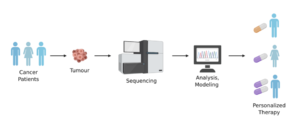
In December 2019, Memorial Sloan Kettering Cancer Center (MSK) surgeons resected a pancreatic ductal adenocarcinoma (PDAC) from 71-year-old Barbara Brigham (Stallard, 2023/2026). To target occult micrometastases before relapse, BioNTech sequenced DNA and RNA from her tumor and blood, selected up to 20 neoantigens, and manufactured a custom messenger RNA (mRNA) vaccine, autogene cevumeran (BNT122) (Rojas et al., 2023).
After surgery, Brigham received a single intravenous (IV) dose of atezolizumab, eight IV priming doses of autogene cevumeran (seven weekly, then an eighth at week 17), 12 cycles of modified FOLFIRINOX (mFOLFIRINOX) chemotherapy, and a late vaccine booster. As of the February 2026 MSK update, she remained in remission more than six years after surgery with circulating vaccine-primed CD8+ T cells (Rojas et al., 2023; Sethna et al., 2025; Stallard, 2023/2026). A second MSK patient, Kenneth Gustafson, resected in April 2020 and given autogene cevumeran, was 72 as of the February 2026 update and was still traveling with family nearly six years after diagnosis (Stallard, 2023/2026; Sethna et al., 2025). Individual cases cannot be compared directly with population averages, but historical PDAC benchmarks illustrate the challenge: five-year overall survival (OS) was 28.8% with gemcitabine plus capecitabine in ESPAC-4 (Palmer et al., 2025) and 43.2% with mFOLFIRINOX in PRODIGE 24, where five-year disease-free survival (DFS) is 26.1% (Conroy et al., 2022). These figures come from separate trials with different populations and designs and do not form a single benchmark. Micrometastases are considered the driver of that relapse (Rojas et al., 2023).
Her remission is one patient’s outcome, and it followed surgery, atezolizumab and chemotherapy as well as the vaccine, so it cannot show that the vaccine worked. In the 16-patient Phase 1 study, eight patients mounted vaccine-induced T-cell responses, and the study was small and non-randomized. Randomized evidence for individualized mRNA vaccination so far comes from resected melanoma (Rojas et al., 2023; Weber et al., 2024a). In the open-label Phase 2b KEYNOTE-942 trial (NCT03897881; 157 patients), adding intismeran autogene (mRNA-4157 / V940, encoding up to 34 neoantigens) to pembrolizumab was associated with a five-year recurrence-free survival (RFS) hazard ratio (HR) of 0.510 (95% confidence interval [CI] 0.294-0.887) in resected stage IIIB-IV melanoma, an estimated 49% lower hazard of recurrence or death during follow-up, in a descriptive analysis (Weber et al., 2024a; Khattak et al., 2023; Weber et al., 2024b; Merck & Moderna, Jan 2026; Carlino et al., 2026). On August 19, 2026, Merck and Moderna announced that Phase 3 INTerpath-001 (NCT05933577; N=1,137) met its primary RFS endpoint and the key secondary distant metastasis-free survival (DMFS) endpoint at a pre-specified interim analysis. The companies have not yet released hazard ratios, confidence intervals or overall survival data, and those figures are needed to judge the size of the effect, because meeting an endpoint does not show how large or durable the benefit is (Merck & Moderna, Aug 2026; Baraniuk, 2026).
The strongest randomized evidence discussed here comes from the adjuvant setting, after resection, when the target is minimal residual disease (MRD), and it is confined to melanoma, while the pancreatic, renal and prevention studies below are early-phase (Rojas et al., 2023; Weber et al., 2024a). Four constraints bound that signal: tissue attrition before dosing (Weber et al., 2024a), clonal or human leukocyte antigen (HLA) class I escape (Sethna et al., 2025), production clocks, and the cost of treating a biomarker-unselected population (Zhang et al., 2023).
II. Thirty Years in the Wilderness: Why First-Generation Cancer Vaccines Failed
Why modern adjuvant trials are succeeding is clearest when contrasted with three decades of first-generation setbacks. In April 2010, the U.S. Food and Drug Administration (FDA) approved sipuleucel-T (Provenge) for metastatic castration-resistant prostate cancer after Phase 3 IMPACT (N=512) showed a 4.1-month OS gain (25.8 vs. 21.7 months; HR 0.78; p=0.03) without progression delay (14.6 vs. 14.4 weeks; p=0.63) (Kantoff et al., 2010; Cheever & Higano, 2011). The product required leukapheresis, ex vivo prostatic acid phosphatase-granulocyte-macrophage colony-stimulating factor (PAP-GM-CSF) incubation, and cold-chain reinfusion at USD 93,000. It faced competition from oral androgen inhibitors, and Dendreon filed for Chapter 11 in November 2014 (Jaroslawski & Toumi, 2015).
Five Phase 3 trials of shared-antigen or allogeneic whole-cell vaccines in non-small-cell lung cancer (NSCLC), melanoma, and PDAC also failed (Zoroddu & Bagella, 2025):
- MAGRIT (N=2,272, stage IB-IIIA NSCLC): MAGE-A3 protein missed DFS (60.5 vs. 57.9 mo; HR 1.02; p=0.74) (Vansteenkiste et al., 2016).
- DERMA (N=1,345, stage IIIB/IIIC melanoma): MAGE-A3 missed DFS overall (11.0 vs. 11.2 mo; HR 1.01; p=0.86) and in the gene-signature population (HR 1.11; p=0.48) (Dreno et al., 2018).
- START (N=1,513, stage III NSCLC): MUC1 tecemotide missed OS (25.6 vs. 22.3 mo; HR 0.88; p=0.123) (Butts et al., 2014).
- STOP (N=532, stage III/IV NSCLC): Belagenpumatucel-L missed OS (20.3 vs. 17.8 mo; HR 0.94; p=0.594) (Giaccone et al., 2015).
- TeloVac (N=1,062, advanced PDAC): Telomerase peptide GV1001 missed OS with sequential dosing (6.9 vs. 7.9 mo; HR 1.19; p=0.05) and with concurrent dosing (8.4 vs. 7.9 mo; HR 1.05; p=0.64) (Middleton et al., 2014).
Four proposed, non-exclusive limitations are often invoked in discussions of these failures (Zoroddu & Bagella, 2025), and the five trials need not have failed for the same reasons. First, central thymic tolerance deletes high-affinity T cells against unmutated self-antigens such as MAGE-A3, a constraint that shared antigens still face. BNT111, discussed in Section VI, tests whether systemic RNA-lipoplex delivery plus programmed death-1 (PD-1) blockade can produce clinically useful responses against selected shared antigens, and it does not show that tolerance has been overcome (Curigliano et al., 2025). Second, peptide, protein and whole-cell formulations may have primed T cells weakly. Third, unblocked PD-1 and myeloid checkpoint suppression within tumors may have blunted responses. Fourth, deployment in bulky metastatic disease may have let immunosuppressive stroma overwhelm effector T-cell ratios, although several of the trials above enrolled earlier-stage patients.
III. Antigen Selection and Delivery: How Neoantigen Pipelines and mRNA Platforms Work
Second-generation platforms seek to reduce the constraint of tolerance to unmutated self-antigens by targeting tumor-specific neoantigens: tumor-exclusive somatic single-nucleotide variants (SNVs), insertions and deletions (indels), or fusions identified by paired tumor-normal whole-exome sequencing (WES), HLA class I/II typing, and tumor RNA-seq (Wells et al., 2020; Weber et al., 2024a; Peng et al., 2025). Only a small fraction of somatic mutations yield immunogenic peptides, so a candidate mutation must clear a series of biological filters. The schematic below groups them into five sequential steps. Each conditional probability depends on passing all preceding steps, so the overall probability that a mutation elicits a functional T-cell response is the product of the step-by-step conditional probabilities. The grouping into five steps is this article’s simplified schematic, and the numeric thresholds quoted come from the TESLA benchmark (Wells et al., 2020). Those thresholds are benchmark-specific research values and not universal clinical cutoffs, and the steps are not fully independent biological checkpoints.
P(E₁, E₂, E₃, E₄, E₅) = P(E₁) × P(E₂ | E₁) × P(E₃ | E₁, E₂) × P(E₄ | E₁, E₂, E₃) × P(E₅ | E₁, E₂, E₃, E₄)
- E₁: Transcript expression (exceeding 33 transcripts per million [TPM] in TESLA) and translation (Wells et al., 2020).
- E₂: Proteasomal cleavage and transporter associated with antigen processing (TAP) transport, given expression (Peng et al., 2025).
- E₃: Peptide-major histocompatibility complex (MHC) binding affinity (half-maximal inhibitory concentration [IC50] below 34 nM) and stability (exceeding 1.4 hours), given processing (Wells et al., 2020).
- E₄: Dendritic-cell presentation, given stable MHC binding (Peng et al., 2025).
- E₅: Naive T-cell receptor (TCR) recognition, given presentation. This step remains difficult to predict because each person’s TCR repertoire is private (Wells et al., 2020; Peng et al., 2025).
To hedge against per-epitope attrition across this cascade, platforms encode multivalent concatemers and use different routes and formulations to prime immune responses. Intramuscular lipid nanoparticles (LNPs) are designed to prime immune cells largely through regional lymph nodes, whereas intravenous RNA-lipoplex (RNA-LPX) particles are designed to reach splenic dendritic cells for systemic T-cell priming, and these routes alone do not explain clinical differences between trials (Kranz et al., 2016; Peng et al., 2025; Singh et al., 2025):
- Intismeran autogene (mRNA-4157 / V940, Moderna/Merck): Intramuscular (IM) LNPs (1 mg every three weeks for up to nine doses) are expected to drain to regional lymph nodes. N1-methylpseudouridine-modified mRNA (encoding up to 34 neoantigens) dampens innate sensing and enhances translation, while ionizable lipids support endosomal escape (Weber et al., 2024a; Gainor et al., 2024; Peng et al., 2025; Singh et al., 2025).
- Autogene cevumeran (BNT122 / RO7198457, BioNTech/Genentech): Intravenous (IV) negatively charged RNA-LPX particles are designed to target splenic dendritic cells. Unmodified uridine mRNA (encoding up to 20 neoantigens) engages Toll-like receptor 7 (TLR7) to stimulate interferon-alpha (IFN-alpha) release and prime CD8+/CD4+ T cells (Kranz et al., 2016; Rojas et al., 2023; Singh et al., 2025).
IV. The Flagship Proof: Resected Melanoma from KEYNOTE-942 to INTerpath-001
UV-mutated melanoma provided the first randomized test of this multivalent strategy. In open-label Phase 2b KEYNOTE-942 (NCT03897881), 157 patients with resected stage IIIB-IV melanoma were randomized 2:1 to nine IM 1 mg intismeran doses plus 18 pembrolizumab cycles (n=107) versus pembrolizumab alone (n=50) (Weber et al., 2024a; Carlino et al., 2026) (Table 1).
Table 1. KEYNOTE-942 efficacy across three analyses
| Analysis & cutoff | Follow-up | RFS HR (95% CI) & landmark | DMFS HR (95% CI) & landmark | Interpretation |
|---|---|---|---|---|
| Primary (Nov 2022; Weber et al., 2024a; Khattak et al., 2023) | 23 / 24 mo | 0.561 (0.309-1.017; 2-sided p=0.053; 1-sided p=0.0266); 18-mo 78.6% vs 62.2% | 0.347 (0.145-0.828; 2-sided p=0.013) | Met primary RFS under protocol 1-sided alpha 0.10; 95% CI includes 1 |
| 3-year (ASCO 2024; Weber et al., 2024b) | 34.9 mo | 0.510 (0.288-0.906; 2-sided p=0.019); 2.5-yr 74.8% vs 55.6% | 0.384 (0.172-0.858; 2-sided p=0.0154); 2.5-yr 89.3% vs 68.7% | 2.5-yr OS 96.0% vs 90.2% (HR 0.425) |
| 5-year (Dec 15, 2025; Merck & Moderna, Jan 2026; Carlino et al., 2026) | 60.3 mo | 0.510 (0.294-0.887; 1-sided p=0.0075); 5-yr 68.8% vs 49.1% (+19.7 points) | 0.411 (0.200-0.843); 4-yr 83.9% vs 65.4% | Descriptive 5-yr follow-up; OS HR 0.471 (0.165-1.345) |
Table 1 note: analyses use different data cutoffs, follow-up durations and landmark times (18 months, 2.5, 4 and 5 years), and the rates do not form a uniform time series.
The RFS point estimate is unchanged between the three-year and five-year analyses (0.510), while the confidence interval narrowed from 0.288-0.906 to 0.294-0.887. At five years, the reported DMFS hazard ratio was 0.411 (95% CI 0.200-0.843). DMFS was a secondary endpoint tested hierarchically after the primary endpoint, and the five-year analyses were descriptive (Weber et al., 2024a; Carlino et al., 2026). Exploratory analyses suggested benefit across tumor mutational burden (TMB), programmed death-ligand 1 (PD-L1), and circulating tumor DNA (ctDNA) subgroups, although the study was not powered for definitive subgroup comparisons (Weber et al., 2024a; Weber et al., 2024b; Carlino et al., 2026).
Several design features temper the result. The trial was open-label and funded by Moderna in collaboration with Merck, and its control arm held only 50 patients. The primary analysis used a one-sided alpha of 0.10, and the two-sided p value was 0.053. The protocol permitted some manual allocation to account for manufacturing availability. Nine patients randomly assigned to the combination were manually reallocated to pembrolizumab alone because of COVID-19-related manufacturing limitations, and this reallocation was done before tissue collection, sequencing and treatment initiation. Manual allocation was used between February and April 2021. In the intention-to-treat population, 74% of vaccine-arm tumors were TMB-high versus 60% in the control arm (Weber et al., 2024a).
Vaccine-related adverse events were mostly Grade 1-2, led by fatigue (61%), injection-site pain (56%), and chills (50%). Grade 3 vaccine-related events occurred in 12 of 104 treated patients (12%), most often fatigue (5%), and no Grade 4 or 5 vaccine-related events were reported. Grade 3 or higher treatment-related adverse events of any cause occurred in 25% of the combination arm and 18% of the pembrolizumab arm, as expected when a second agent is added (Weber et al., 2024a). Adding a second checkpoint inhibitor to PD-1 blockade has not improved adjuvant melanoma outcomes. Phase 3 trials CheckMate 915 (Weber et al., 2023), RELATIVITY-098 (Long et al., 2025), and KEYVIBE-010 (Dummer et al., 2026) all missed their RFS endpoints, which sets a demanding benchmark for any add-on to pembrolizumab.
The confirmatory double-blind Phase 3 INTerpath-001 (NCT05933577) randomized 1,137 patients 2:1 (target 1,089) with resected stage IIB-IV melanoma to intismeran plus pembrolizumab or placebo plus pembrolizumab (Weber et al., 2024c). The August 19, 2026 announcement reported that the primary RFS endpoint and the key secondary DMFS endpoint were met at a pre-specified interim analysis, with no new safety signals, and that overall survival follow-up continues. The companies describe it as the first positive Phase 3 readout for an individualized neoantigen therapy. Effect sizes have not been disclosed (Merck & Moderna, Aug 2026; Baraniuk, 2026).
V. Breaching Immunologically Cold Tumors: Pancreatic and Renal Cell Carcinoma
Whether individualized vaccination can extend beyond high-mutation melanoma is being tested in lower-mutation tumors. In MSK’s single-arm Phase 1 trial in low-SNV (1-3 mutations/Mb) resected PDAC (NCT04161755; an immunogenicity signal with exploratory clinical outcomes), 16 patients received week-6 atezolizumab, eight IV autogene cevumeran priming doses across weeks 9-17 (encoding up to 20 neoantigens), 12 mFOLFIRINOX cycles from week 21, and a week-46 booster. Of the 16, 8 (50%) mounted de novo CD8+ T-cell responses, with a median of roughly 3% of blood T cells (Rojas et al., 2023). At 3.2-year (38.4-month) follow-up, median RFS was 13.4 months in non-responders (7/8 relapsed) versus not reached in responders (HR 0.14; 95% CI 0.03-0.60; p=0.007; 6/8 recurrence-free) (Sethna et al., 2025). Responders were defined by a post-treatment immune response and not by random assignment, so this is an exploratory association and does not show that the immune response caused the survival difference.
Across 79 clones in the six durable responders, CloneTrack modeling suggested that the week-46 booster extended T-cell clone lifespan roughly sevenfold, from a pre-boost median of 1.1 years to an estimated 7.7 years post-boost (range 1.5 to roughly 100 years), with 86% of clones persisting in a non-exhausted state despite mFOLFIRINOX (Sethna et al., 2025). These are model-based estimates drawn from six responders and 79 clones, extrapolated from a limited observation window, and they do not serve as a durability benchmark for the platform. Randomized Phase 2 IMcode003 (NCT05968326; N=260) is ongoing (Sethna et al., 2025).
In indel-enriched stage III/IV clear-cell renal cell carcinoma (RCC; NCT02950766), nine patients received a median of 15 personalized peptides targeting VHL, PBRM1, BAP1, KDM5C, and PIK3CA mutations, including frameshift indels, formulated in poly-ICLC adjuvant and given alone (n=4) or with subcutaneous ipilimumab (n=5). All 9 (100%) mounted T-cell responses (98.7% CD4+) and were recurrence-free at 40.2 months (Braun et al., 2025). Nine single-arm patients establish immunogenicity and leave comparative clinical benefit untested, so randomized Phase 2 INTerpath-004 (NCT06307431; target N=272) now tests intismeran plus pembrolizumab in resected clear-cell or papillary RCC (Motzer et al., 2025).
VI. The Off-the-Shelf Counter-Model: Shared KRAS, Fixed-Antigen mRNA, and Lynch Interception
Off-the-shelf vaccines bypass custom sequencing waits across three clinical settings (Table 2):
- ELI-002 (amphiphile-mKRAS peptides): Albumin-binding lipid tails deliver mutant KRAS peptides (2P: G12D/R; 7P: seven G12/G13 variants) and CpG-7909 to lymph nodes (Pant et al., 2024; Wainberg et al., 2025). Single-arm Phase 1 AMPLIFY-201 (NCT04853017) enrolled 25 patients with MRD-positive PDAC (20) or colorectal cancer (CRC; 5), with a median follow-up of 19.7 months. Of these, 21/25 (84%) developed mKRAS-specific T-cell responses, and a separate 21/25 (84%) showed a decline in ctDNA or serum tumor biomarkers. Six patients (24%; 3 PDAC and 3 CRC) achieved complete ctDNA clearance, which is a biomarker outcome and differs from a radiographic response. Cohort median RFS was 16.33 months and median OS was 28.94 months (Wainberg et al., 2025). In the 17/25 patients (68%) whose T-cell response exceeded the 9.17-fold threshold, median RFS and OS were not reached, compared with 3.02 months RFS (HR 0.12, p=0.0002) and 15.98 months OS (HR 0.23, p=0.0099) below the threshold. This threshold-defined comparison is exploratory and non-randomized, so it may reflect underlying prognosis as well as vaccine response, and it does not show that reaching the threshold causes better outcomes. Antigen spreading appeared in 67% (14/21) of evaluable patients, and Phase 2 AMPLIFY-7P (NCT05726864; N=135) is enrolled (Wainberg et al., 2025).
- BNT111 (fixed-TAA RNA-LPX): Encoding NY-ESO-1, MAGE-A3, tyrosinase, and TPTE, IV BNT111 revisits MAGE-A3 in Phase 2 BNT111-01 (NCT04526899; anti-PD-(L)1-refractory melanoma) (Curigliano et al., 2025). The protocol initially planned to randomize 180 patients, and the final ESMO 2025 report records 184 randomized: 94 to BNT111 plus cemiplimab, 46 to BNT111 alone, and 44 to cemiplimab alone. Of these, 181 received treatment (Curigliano et al., 2025). Combination objective response rate (ORR) was 18.1% (17/94; 11 complete responses and 6 partial responses; 95% CI 10.9%-27.4%; p=0.0115 vs. a 10% historical benchmark) versus 17.4% (8/46) and 13.6% (6/44), with median progression-free survival (PFS) of 3.1, 2.8, and 3.2 months and median OS of 20.7 (95% CI 14.4-28.3), 13.7, and 22.3 months. The small monotherapy arms do not establish comparative survival benefit, and the p value against a 10% benchmark does not show that the combination is superior to either monotherapy arm (Curigliano et al., 2025).
- NOUS-209 (Lynch interception): Encoding 209 shared frameshift peptides (great ape adenovirus GAd20-209-FSP prime and modified vaccinia Ankara MVA-209-FSP boost) in Phase 1b/2 (NCT05078866; N=45 Lynch syndrome carriers), NOUS-209 caused zero serious vaccine adverse events and induced T-cell responses in 100% (37/37) of evaluable participants, recognizing roughly 75 epitopes per person (D’Alise et al., 2026). This establishes immunogenicity in the evaluable cohort and does not show that vaccination prevents Lynch-associated cancers. At end-of-study colonoscopy, none of the 43 evaluable participants had an advanced adenoma or colorectal cancer, whereas two participants had advanced adenomas at baseline. One participant also had a stage I mismatch-repair-deficient (MMRd) gastric cancer, for which NOUS-209 frameshift expression was not reported. The study was not powered to establish preventive efficacy, so these observations are exploratory (D’Alise et al., 2026).
Table 2. Cross-trial summary of cancer vaccine platforms
| Agent | Platform | Trial | Sample size & attrition | Reported results | Key limitation |
|---|---|---|---|---|---|
| Intismeran | Custom mRNA-LNP (IM; up to 34 epitopes) | KEYNOTE-942 | 224 screened; 67 ineligible (15 for inadequate tumor sample); 157 randomized | 5-yr RFS HR 0.510 (68.8% vs 49.1%); DMFS HR 0.411 (0.200-0.843) | Gr 3 vaccine-related AEs 12% (12/104); open-label; control n=50 |
| Intismeran | Custom mRNA-LNP vs placebo | INTerpath-001 | 1,137 randomized (2:1; target 1,089) | Met primary RFS and key secondary DMFS at pre-specified interim analysis per sponsor (Aug 19, 2026) | Full HR/CI and OS not yet reported |
| Autogene cevumeran | Custom RNA-LPX (IV; up to 20 epitopes) | NCT04161755 (Phase 1); IMcode003 (Phase 2, ongoing) | 34 consented; 28 resected; 19 given atezolizumab; 16 dosed (8/16 responders) | 3.2-yr: responder mRFS NR (6/8 relapse-free) vs 13.4 mo (HR 0.14) | 50% non-response; epitope spreading not detected in the 8 responders |
| RCC peptide | Peptides + poly-ICLC (SC) | NCT02950766 | 9 treated (4 alone, 5 + SC ipi) | 9/9 T-cell responses; all 9 recurrence-free at 40.2 mo (single-arm) | Single-arm (N=9); Ph 2 INTerpath-004 (target N=272) ongoing |
| ELI-002 2P/7P | Amph-mKRAS + CpG (SC) | AMPLIFY-201 & -7P | 25 treated (20 PDAC, 5 CRC); Ph 2 N=135 | 84% (21/25) mKRAS-specific T-cell response; separately, 84% showed tumor-biomarker declines; 24% (6/25) complete ctDNA clearance; mRFS 16.33 mo | Single-arm Ph 1; Ph 2 readout pending |
| BNT111 | RNA-LPX (IV; 4 TAAs) | BNT111-01 | 184 randomized; 181 treated | ORR 18.1% (17/94: 11 CR, 6 PR) vs 17.4% & 13.6% | Unpowered monotherapy arms; no OS separation |
| GRANITE | ChAdV68 + samRNA (IM) | GO-010 (first-line maintenance MSS-CRC) | 104 randomized; 69 in treated analysis (39 GRANITE, 30 control) | PFS HR 0.73 (90% CI 0.44-1.21; company-reported, not significant) | 35/104 did not reach treatment (12 vs 23 by arm); Ch 11 (Oct 10, 2024) |
| NOUS-209 | GAd20 + MVA (209 FSPs) | NCT05078866 | 45 enrolled; 37 immune; 43 colonoscopies | 37/37 (100%) T-cell response; no advanced adenoma or CRC among 43 evaluable at end-of-study colonoscopy; 2 had advanced adenomas at baseline | Exploratory; 1 stage I MMRd gastric cancer (sequencing not reported) |
Table 2 abbreviations: AE, adverse event; ctDNA, circulating tumor DNA; DMFS, distant metastasis-free survival; HR, hazard ratio; mRFS, median recurrence-free survival; NR, not reached; ORR, objective response rate; RFS, recurrence-free survival. The Reported results column mixes immunogenicity, biomarker and clinical endpoints, which are not interchangeable measures of efficacy. Result types by row: KEYNOTE-942, randomized clinical; INTerpath-001, randomized clinical (topline only); autogene cevumeran, single-arm immunogenicity with exploratory clinical outcomes; RCC peptide, single-arm immunogenicity and clinical status; ELI-002, single-arm immunogenicity, biomarker and exploratory clinical outcomes; BNT111, randomized response rate; GRANITE, randomized clinical (company-reported); NOUS-209, single-arm immunogenicity with exploratory colonoscopy findings.
VII. The Setback Ledger: Tissue Attrition, Negative Trials, and Clonal Immune Escape
Across bespoke and off-the-shelf platforms, four failure modes bound current vaccine performance.
1. Pre-Randomization Screening and Tissue Attrition
Evidence: Of 224 patients screened for KEYNOTE-942, 67 were ineligible and 157 were randomized. Inadequate tumor sample accounted for 15 of the exclusions (6.7% of those screened). The Lancet report adds that one randomized combination patient received pembrolizumab alone because the vaccine could not be produced from insufficient tissue, and that vaccine was manufactured for more than 99% of the remaining combination patients. Of 107 patients assigned to the combination, 104 received the vaccine, 2 received no treatment (one by physician decision, one found ineligible) and 1 received pembrolizumab only (Weber et al., 2024a). The MSK PDAC trial lost more patients before dosing: 34 consented, 28 were resected, 19 received week-6 atezolizumab, and 16 received autogene cevumeran (Rojas et al., 2023) (Table 3).
Table 3. Screening and dosing denominators in KEYNOTE-942 and MSK PDAC
| Trial & reporting population | Denominator | Reported breakdown | Analytical scope |
|---|---|---|---|
| KEYNOTE-942 screening (Weber et al., 2024a) | 224 screened | 157 randomized; 67 (29.9%) ineligible: 17 not disease-free, 15 inadequate tumor sample, 10 outside time requirements, 9 withdrew consent, 9 incorrect stage, 4 history of other tumor, 2 inadequate organ function, 1 concurrent condition | Trial-wide screening exclusions |
| MSK PDAC Phase 1 (Rojas et al., 2023) | 34 consented | 28 resected, 19 received week-6 atezolizumab, and 16 (47.1%) dosed with autogene cevumeran | Sequential surgical and manufacturing funnel |
Implication: Inadequate tissue removed about 7% of screened patients in KEYNOTE-942, whereas only 16 of 34 consented patients (47%) reached vaccination in the MSK PDAC trial after the surgical and perioperative sequence.
Limitation: The two trials differ in disease, vaccine platform and eligibility rules, so their percentages are not interchangeable benchmarks.
2. Negative Metastatic Trials and Halted Pipelines
Evidence: Gritstone’s GRANITE program (ChAdV68 prime plus self-amplifying mRNA [samRNA] boost) did not reach significance in Phase 2 first-line microsatellite-stable CRC (MSS-CRC) maintenance (GO-010, NCT05141721). Of 104 randomized patients, 69 entered the treated analysis (39 GRANITE, 30 control), and the company-reported PFS hazard ratio was 0.73 (90% CI 0.44-1.21). The company then filed Chapter 11 on October 10, 2024 (Gritstone bio, 2024; Gritstone bio, 2024 SEC Form 8-K). In the shared-antigen SLATE v1 trial, T-cell responses skewed toward TP53 neoantigens in the vaccine rather than the KRAS neoantigens that patients’ tumors expressed (Rappaport et al., 2024). BioNTech’s IMcode001 (NCT03815058; N=131) did not meet its PFS primary endpoint in first-line advanced melanoma (ClinicalTrials.gov, 2024; ApexOnco, 2025).
Implication: Neoantigen vaccines rarely overcome entrenched immunosuppression in bulky metastatic disease.
Limitation: In GO-010, 35 of 104 randomized patients (34%) did not advance to treatment after oxaliplatin, 23 in the control arm and 12 in the GRANITE arm, so the treated-population comparison is not a full intention-to-treat result (Gritstone bio, 2024).
3. Incomplete Adjuvant Immunogenicity
Evidence: Half (8/16; 50%) of MSK PDAC vaccinees mounted no de novo T-cell response (7/8 relapsed, median RFS 13.4 months; Sethna et al., 2025), and academic long-peptide cohorts (PGV001) primed mainly CD4+ rather than CD8+ T cells (Marron et al., 2025).
Implication: Adjuvant vaccination still leaves a substantial non-responder fraction in low-mutation tumors.
Limitation: Post-treatment responder stratification is observational and awaits randomized Phase 2 confirmation in IMcode003 (Sethna et al., 2025).
4. Clonal Pruning and HLA Class I Escape
Evidence: In Sethna et al. (2025), relapsing PDAC responders (Patient 14, Patient 29) showed selective clonal pruning, losing targeted subclones while untargeted subclones expanded. This phylogeny rests on only two relapsing responders. Epitope spreading appeared in 0/8 PDAC responders (0%), compared with 6/9 (67%) in RCC and 14/21 (67%) in AMPLIFY-201 (Braun et al., 2025; Wainberg et al., 2025). These percentages come from different studies, cohorts and assays and are not directly comparable.
Implication: Without epitope spreading, eradication may require truncal targets and intact HLA class I (beta-2-microglobulin [B2M], TAP1/2) presentation (Wohlfeil & Utikal, 2026).
Limitation: The clonal-pruning phylogeny is based on two relapsing responders (Sethna et al., 2025).
Ranked by the strength of their evidence, the barriers differ widely. Randomized clinical evidence is strongest in resected melanoma, with the Phase 3 effect size still unreported, and efficacy in the other settings discussed remains less established. Tissue attrition is measured, at about 7% of screened patients in KEYNOTE-942 and a steeper funnel in the MSK PDAC trial. Biological escape rests on small mechanistic cohorts. Manufacturing feasibility has two reported timelines and no published stage-level data. Affordability is a projection built on an assumed vaccine price.
VIII. Manufacturing Clocks, Payer Arithmetic, and Trial Access
Even where biology favors adjuvant vaccination, scaling lot-of-one vaccines into clinical practice faces three operational hurdles: turnaround time (Table 4), regulation, and cost.
Table 4. Illustrative author estimates, not published stage-level data, for surgery-to-injection time, shown beside two trial-reported timelines
| Stage | Operations | Duration | Basis |
|---|---|---|---|
| 1. Pathology & shipping | Tumor-cellularity check, specimen transport | ~1-2 weeks | Illustrative author estimate, not published stage-level data |
| 2. Sequencing & ranking | WES, RNA-seq, HLA typing, ranking 20-34 epitopes | ~7-10 days | Illustrative author estimate, not published stage-level data |
| 3. GMP synthesis & fill | Template synthesis, transcription, LNP/LPX fill | ~10-14 days | Illustrative author estimate, not published stage-level data |
| 4. QC release & shipping | Sterility, endotoxin, identity release, transport | ~10-14 days | Illustrative author estimate, not published stage-level data |
| Stage sum | Surgery-to-injection (Stages 1-4) | ~5-8 weeks | Arithmetic sum of the estimates above |
| KEYNOTE-942 (reported) | Pembrolizumab given during manufacturing; vaccine started at pembrolizumab cycle 3 in 84/104 (81%), cycle 4 in 11 (11%), cycle 5 in 9 (9%) | Roughly 6-12 weeks after the first pembrolizumab dose (3-week cycles) | Weber et al., 2024a |
| MSK PDAC (reported) | Atezolizumab at a median of 6.1 weeks (range 4.3-7.9); first vaccine dose at a median of 9.4 weeks (range 7.4-11.0) | 9.4 weeks after surgery | Rojas et al., 2023 |
The stage-level durations are the author’s approximate and illustrative estimates, and published stage-by-stage manufacturing times were not available. The two reported rows come from different trials, products and logistics, and they are not directly interchangeable benchmarks. In KEYNOTE-942 patients received pembrolizumab while the vaccine was being made, and the authors note that the delayed separation of the RFS curves may partly reflect that manufacturing interval (Weber et al., 2024a). In the MSK PDAC trial a single atezolizumab dose bridged the wait (Rojas et al., 2023).
Under FDA’s May 2024 draft Platform Technology Designation guidance, sponsors can reuse conserved mRNA-LNP/LPX chemistry and toxicology data (FDA, 2024; Verbeke et al., 2025). Neither FDA nor the European Medicines Agency (EMA) has finalized guidance for bespoke neoantigen algorithms. Treating algorithm updates like Software as a Medical Device (SaMD) is a proposed regulatory analogy and carries no established legal pathway (Verbeke et al., 2025). The Phase 3 INTerpath-001 readout is the key step toward any regulatory filing, and the companies have said they will engage regulators about potential submissions (Merck & Moderna, Aug 2026).
Evaluating health-system affordability requires separating published drug prices from an explicit scenario assumption for custom vaccine manufacturing, and each figure below is labeled by type: published model input, author scenario or arithmetic. None is an observed treatment cost or a published commercial price. Eighteen cycles of pembrolizumab are assumed at roughly USD 171,000 U.S. wholesale (about USD 130,000-150,000 net) as a published model input (Zhang et al., 2023). Pembrolizumab is the comparator in KEYNOTE-942, so the incremental cost of the vaccine strategy is the vaccine itself. The cost of nine custom vaccine doses plus sequencing is an author assumption of USD 100,000-150,000, because no commercial price has been published. Total outlay for the combination would then be about USD 270,000-320,000 on the wholesale figure and about USD 230,000-300,000 on the net figure.
KEYNOTE-942’s 19.7-point five-year RFS difference (68.8% vs. 49.1%) gives a crude landmark-based reciprocal of about 5.1 patients treated per recurrence-or-death event avoided. At the assumed vaccine price of USD 100,000-150,000, that yields an illustrative scenario of roughly USD 510,000-760,000 in vaccine spending per event avoided, and this is not an estimate of cost per recurrence prevented. The reciprocal is not a validated number needed to treat or a formal cost-effectiveness estimate, and it is sensitive to the assumed vaccine price, given censoring, a 50-patient control arm and pending Phase 3 and OS results (Carlino et al., 2026).
Without a predictive biomarker, payers would have to fund the full eligible cohort and judge it against U.S. willingness-to-pay thresholds (USD 100,000-150,000 per quality-adjusted life-year [QALY]) and the UK National Institute for Health and Care Excellence (NICE) range (GBP 20,000-30,000 per QALY) (Zhang et al., 2023). Zhang et al. model pembrolizumab alone, so the vaccine’s incremental cost per QALY remains unmodeled in the sources used here. England’s NHS Cancer Vaccine Launch Pad (CVLP) aims to enroll 10,000 patients by 2030 and operates as a national trial-recruitment network that provides no reimbursement (The Pharmaceutical Journal, 2025).
Four pivotal readouts lead next: Phase 3 INTerpath-001 (NCT05933577) full hazard ratios and mature OS in melanoma (Merck & Moderna, Aug 2026; Baraniuk, 2026), randomized Phase 2 IMcode003 (NCT05968326; N=260) in resected PDAC (Sethna et al., 2025), randomized Phase 2 INTerpath-004 (NCT06307431; target N=272) in clear-cell or papillary RCC (Motzer et al., 2025), and randomized Phase 2 AMPLIFY-7P (NCT05726864; N=135) in KRAS-mutant PDAC (Wainberg et al., 2025). The evidence still needed is the INTerpath-001 effect sizes and mature survival, the randomized pancreatic and renal comparisons, the AMPLIFY-7P result, and proof that manufacturing time and price allow broad access.
IX. References
- Stallard J. Pancreatic cancer vaccine shows promise in small trial. Memorial Sloan Kettering Cancer Center; 2023 May 10 [updated 2026 Feb 18]. https://www.mskcc.org/news/pancreatic-cancer-vaccine-shows-promise-in-small-trial
- Rojas LA, Sethna Z, Soares KC, et al. Personalized RNA neoantigen vaccines stimulate T cells in pancreatic cancer. Nature. 2023;618(7963):144-150. doi:10.1038/s41586-023-06063-y. PMID: 37165196; PMCID: PMC10171177. https://doi.org/10.1038/s41586-023-06063-y
- Sethna Z, Guasp P, Reiche C, et al. RNA neoantigen vaccines prime long-lived CD8+ T cells in pancreatic cancer. Nature. 2025;639(8056):1042-1051. doi:10.1038/s41586-024-08508-4. PMID: 39972124; PMCID: PMC11946909. https://doi.org/10.1038/s41586-024-08508-4
- Palmer DH, Jackson R, Springfeld C, et al. Long-term outcomes in the ESPAC-4 phase III trial. J Clin Oncol. 2025;43(10):1240-1253. doi:10.1200/JCO.24.01118. PMID: 39666905. https://doi.org/10.1200/JCO.24.01118
- Conroy T, Castan F, Lopez A, et al. Five-year outcomes of FOLFIRINOX vs gemcitabine as adjuvant therapy for pancreatic cancer (PRODIGE 24). JAMA Oncol. 2022;8(11):1571-1578. doi:10.1001/jamaoncol.2022.3829. PMID: 36048453; PMCID: PMC9437738. https://doi.org/10.1001/jamaoncol.2022.3829
- Weber JS, Carlino MS, Khattak A, et al. Individualised neoantigen therapy mRNA-4157 (V940) plus pembrolizumab versus pembrolizumab monotherapy in resected melanoma (KEYNOTE-942): a randomised, phase 2b study. Lancet. 2024a;403(10427):632-644. doi:10.1016/S0140-6736(23)02268-7. PMID: 38246194. https://doi.org/10.1016/S0140-6736(23)02268-7
- Khattak A, Weber JS, Meniawy T, et al. Distant metastasis-free survival results from the randomized, phase 2 mRNA-4157-P201 (KEYNOTE-942) trial. J Clin Oncol. 2023;41(17_suppl):LBA9503. doi:10.1200/JCO.2023.41.17_suppl.LBA9503. https://doi.org/10.1200/JCO.2023.41.17\_suppl.LBA9503
- Weber JS, Khattak MA, Carlino MS, et al. Three-year update from the mRNA-4157-P201 (KEYNOTE-942) trial. J Clin Oncol. 2024b;42(17_suppl):LBA9512. doi:10.1200/JCO.2024.42.17_suppl.LBA9512. https://doi.org/10.1200/JCO.2024.42.17\_suppl.LBA9512
- Merck & Co., Inc.; Moderna, Inc. Five-year data for intismeran autogene in combination with KEYTRUDA in resected high-risk melanoma. 2026 Jan 20. https://www.merck.com/news/merck-and-moderna-announce-five-year-data-for-intismeran-autogene-in-combination-with-keytruda-pembrolizumab-demonstrated-sustained-improvement-in-primary-endpoint-of-recurrence-free-survi/
- Carlino MS, Khattak A, Weber JS, et al. Intismeran autogene plus pembrolizumab versus pembrolizumab alone in high-risk resected melanoma: 5-year update of the randomized phase IIb KEYNOTE-942 study. J Clin Oncol. 2026;44(24):2510-2521. doi:10.1200/JCO-26-00835. PMID: 42223134. https://ascopubs.org/doi/10.1200/JCO-26-00835
- Merck & Co., Inc.; Moderna, Inc. Phase 3 INTerpath-001 trial of intismeran autogene plus KEYTRUDA met endpoints of RFS and DMFS in resected melanoma. 2026 Aug 19. https://www.merck.com/news/merck-and-moderna-announce-phase-3-interpath-001-trial-of-intismeran-autogene-plus-keytruda-met-endpoints-of-recurrence-free-survival-rfs-and-distant-metastasis-free-survival-dmfs-in-patient/
- Baraniuk C. Personalized mRNA vaccine cuts melanoma relapse risk in phase III trial. BMJ. 2026;394:s2114. doi:10.1136/bmj.s2114. https://doi.org/10.1136/bmj.s2114
- Kantoff PW, Higano CS, Shore ND, et al. Sipuleucel-T immunotherapy for castration-resistant prostate cancer. N Engl J Med. 2010;363(5):411-422. doi:10.1056/NEJMoa1001294. PMID: 20818862. https://doi.org/10.1056/NEJMoa1001294
- Cheever MA, Higano CS. PROVENGE (sipuleucel-T) in prostate cancer: the first FDA-approved therapeutic cancer vaccine. Clin Cancer Res. 2011;17(11):3520-3526. doi:10.1158/1078-0432.CCR-10-3126. PMID: 21471425. https://doi.org/10.1158/1078-0432.CCR-10-3126
- Jaroslawski S, Toumi M. Sipuleucel-T (Provenge) in prostate cancer. BioDrugs. 2015;29(5):301-307. doi:10.1007/s40259-015-0140-7. PMID: 26399635. https://doi.org/10.1007/s40259-015-0140-7
- Zoroddu S, Bagella L. Therapeutic cancer vaccines: historical resilience and modern revival. Cells. 2025;14(18):1476. doi:10.3390/cells14181476. PMID: 41002441; PMCID: PMC12468083. https://doi.org/10.3390/cells14181476
- Vansteenkiste JF, Cho BC, Vanakesa T, et al. Efficacy of the MAGE-A3 cancer immunotherapeutic as adjuvant therapy in patients with resected MAGE-A3-positive non-small-cell lung cancer (MAGRIT): a randomised, double-blind, placebo-controlled, phase 3 trial. Lancet Oncol. 2016;17(6):822-835. doi:10.1016/S1470-2045(16)00099-1. PMID: 27132212. https://doi.org/10.1016/S1470-2045(16)00099-1
- Dreno B, Thompson JF, Smithers BM, et al. MAGE-A3 immunotherapeutic as adjuvant therapy for patients with resected, MAGE-A3-positive, stage III melanoma (DERMA): a double-blind, randomised, placebo-controlled, phase 3 trial. Lancet Oncol. 2018;19(7):916-929. doi:10.1016/S1470-2045(18)30254-7. PMID: 29908991. https://doi.org/10.1016/S1470-2045(18)30254-7
- Butts C, Socinski MA, Mitchell PL, et al. Tecemotide (L-BLP25) versus placebo after chemoradiotherapy for stage III non-small-cell lung cancer (START): a randomised, double-blind, phase 3 trial. Lancet Oncol. 2014;15(1):59-68. doi:10.1016/S1470-2045(13)70510-2. PMID: 24331154. https://doi.org/10.1016/S1470-2045(13)70510-2
- Giaccone G, Bazhenova LA, Nemunaitis J, et al. A phase III study of belagenpumatucel-L, an allogeneic tumour cell vaccine, as maintenance therapy for non-small cell lung cancer (STOP). Eur J Cancer. 2015;51(16):2321-2329. doi:10.1016/j.ejca.2015.07.035. PMID: 26283035. https://doi.org/10.1016/j.ejca.2015.07.035
- Middleton G, Silcocks P, Cox T, et al. Gemcitabine and capecitabine with or without telomerase peptide vaccine GV1001 in patients with locally advanced or metastatic pancreatic cancer (TeloVac): an open-label, randomised, phase 3 trial. Lancet Oncol. 2014;15(8):829-840. doi:10.1016/S1470-2045(14)70236-0. PMID: 24954781. https://doi.org/10.1016/S1470-2045(14)70236-0
- Wells DK, van Buuren MM, Dang KK, et al. Key parameters of tumor epitope immunogenicity revealed through a consortium approach improve neoantigen prediction. Cell. 2020;183(3):818-834.e13. doi:10.1016/j.cell.2020.09.015. PMID: 33038342; PMCID: PMC7643942. https://doi.org/10.1016/j.cell.2020.09.015
- Peng K, Zhao Y, Wang L, et al. Advances in personalized mRNA cancer vaccines. Cell Mol Immunol. 2025;22(8):840-868. doi:10.1038/s41423-025-01316-4. PMID: 40629076; PMCID: PMC12311208. https://doi.org/10.1038/s41423-025-01316-4
- Gainor JF, Patel MR, Weber JS, et al. T-cell responses to individualized neoantigen therapy mRNA-4157 (V940) alone or in combination with pembrolizumab in patients with resected solid tumors. Cancer Discov. 2024;14(11):2209-2223. doi:10.1158/2159-8290.CD-24-0158. PMID: 39230294; PMCID: PMC11530961. https://doi.org/10.1158/2159-8290.CD-24-0158
- Kranz LM, Diken M, Haas H, et al. Systemic RNA delivery to dendritic cells exploits antiviral defence for cancer immunotherapy. Nature. 2016;534(7607):396-401. doi:10.1038/nature18300. PMID: 27281205. https://doi.org/10.1038/nature18300
- Singh P, Sharma K, Verma A, et al. Pharmacology of lipid nanoparticle and lipoplex mRNA cancer vaccines. Oncol Rev. 2025;19:1541326. doi:10.3389/or.2025.1541326. PMID: 40160263; PMCID: PMC11949952. https://doi.org/10.3389/or.2025.1541326
- Weber J, Mandala M, Del Vecchio M, et al. Adjuvant nivolumab plus ipilimumab versus nivolumab alone in patients with resected stage IIIB-D or stage IV melanoma (CheckMate 915). J Clin Oncol. 2023;41(3):517-527. doi:10.1200/JCO.22.00533. PMID: 36162037. https://doi.org/10.1200/JCO.22.00533
- Long GV, Ascierto PA, Guo J, et al. Primary results from RELATIVITY-098: adjuvant nivolumab plus relatlimab versus nivolumab alone in completely resected stage III-IV melanoma. J Clin Oncol. 2025;43(17_suppl):LBA9500. doi:10.1200/JCO.2025.43.17_suppl.LBA9500. https://doi.org/10.1200/JCO.2025.43.17\_suppl.LBA9500
- Dummer R, Robert C, Scolyer RA, et al. Coformulated vibostolimab and pembrolizumab versus pembrolizumab alone as adjuvant therapy in resected high-risk stage IIB-IV melanoma (KEYVIBE-010). Lancet Oncol. 2026;27(3):327-339. doi:10.1016/S1470-2045(25)00709-0. PMID: 41698381. https://doi.org/10.1016/S1470-2045(25)00709-0
- Weber JS, Luke JJ, Carlino MS, et al. INTerpath-001: pembrolizumab with V940 (mRNA-4157) versus pembrolizumab with placebo for adjuvant treatment of high-risk stage II-IV melanoma. J Clin Oncol. 2024c;42(16_suppl):TPS9616. doi:10.1200/JCO.2024.42.16_suppl.TPS9616. https://doi.org/10.1200/JCO.2024.42.16\_suppl.TPS9616
- Braun DA, Moranzoni G, Chea V, et al. A neoantigen vaccine generates antitumour immunity in renal cell carcinoma. Nature. 2025;639(8054):474-482. doi:10.1038/s41586-024-08507-5. PMID: 39910301; PMCID: PMC11903305. https://doi.org/10.1038/s41586-024-08507-5
- Motzer RJ, Braun DA, Powles T, et al. INTerpath-004: a phase 2, randomized, double-blind study of adjuvant pembrolizumab with V940 (mRNA-4157) or placebo for renal cell carcinoma. J Clin Oncol. 2025;43(5_suppl):TPS610. doi:10.1200/JCO.2025.43.5_suppl.TPS610. https://doi.org/10.1200/JCO.2025.43.5\_suppl.TPS610
- Pant S, Wainberg ZA, Weekes CD, et al. Lymph-node-targeted, mKRAS-specific amphiphile vaccine in pancreatic and colorectal cancer: the phase 1 AMPLIFY-201 trial. Nat Med. 2024;30(2):531-542. doi:10.1038/s41591-023-02760-3. PMID: 38195752; PMCID: PMC10878973. https://doi.org/10.1038/s41591-023-02760-3
- Wainberg ZA, Weekes CD, Furqan M, et al. Lymph node-targeted, mKRAS-specific amphiphile vaccine in pancreatic and colorectal cancer: final results of the phase 1 AMPLIFY-201 trial. Nat Med. 2025;31(11):3648-3653. doi:10.1038/s41591-025-03876-4. PMID: 40790272; PMCID: PMC12618236. https://doi.org/10.1038/s41591-025-03876-4
- Curigliano G, Loquai C, Middleton MR, et al. Primary analysis of the randomized phase II trial BNT111-01 in anti-PD-(L)1-relapsed/refractory melanoma. Ann Oncol. 2025;36(suppl_2):S892-S893. doi:10.1016/j.annonc.2025.08.2140. https://doi.org/10.1016/j.annonc.2025.08.2140
- D’Alise AM, Willis J, Vilar E, et al. Nous-209 neoantigen vaccine for cancer prevention in Lynch syndrome carriers: a phase 1b/2 trial. Nat Med. 2026;32(3):1002-1011. doi:10.1038/s41591-025-04182-9. PMID: 41545594; PMCID: PMC13004667. https://doi.org/10.1038/s41591-025-04182-9
- Rappaport AR, Kyi C, Lane M, et al. A shared neoantigen vaccine combined with immune checkpoint blockade for advanced metastatic solid tumors: phase 1 trial interim results. Nat Med. 2024;30(4):1013-1022. doi:10.1038/s41591-024-02851-9. https://doi.org/10.1038/s41591-024-02851-9
- Marron TU, Saxena M, Bhardwaj N, et al. PGV001, a multi-peptide personalized neoantigen vaccine platform: phase I trials across solid and hematologic malignancies. Cancer Discov. 2025;15(5):930-946. doi:10.1158/2159-8290.CD-24-0934. PMID: 40094414. https://doi.org/10.1158/2159-8290.CD-24-0934
- Wohlfeil SA, Utikal JS. After a decade of therapy revolution in cutaneous melanoma: perspectives on emerging treatment strategies. Oncol Res. 2026;34(6):3. doi:10.32604/or.2026.078650. PMID: 42232604; PMCID: PMC13223291. https://doi.org/10.32604/or.2026.078650
- Gritstone bio, Inc. Gritstone bio announces strengthening of maturing phase 2 PFS data for GRANITE study and provides business update (issued after the Oct 10, 2024 Chapter 11 petition). GlobeNewswire; 2024 Nov 11. https://www.globenewswire.com/news-release/2024/11/11/2978577/0/en/gritstone-bio-announces-strengthening-of-maturing-phase-2-pfs-data-for-granite-study-and-provides-business-update.html
- U.S. Food and Drug Administration. Platform Technology Designation Program for Drug Development: Draft Guidance for Industry. Silver Spring (MD): FDA; 2024 May. https://www.fda.gov/regulatory-information/search-fda-guidance-documents/platform-technology-designation-program-drug-development
- Verbeke R, Lentacker I, De Smedt SC, et al. mRNA product development, regulation and individualized neoantigen therapies. Vaccines (Basel). 2025;13(5):473. doi:10.3390/vaccines13050473. PMCID: PMC12116195. https://pmc.ncbi.nlm.nih.gov/articles/PMC12116195/
- Zhang S, Bensimon AG, Tallman M, et al. Cost-effectiveness of adjuvant pembrolizumab in resected stage IIB-III melanoma. Adv Ther. 2023;40(7):3038-3055. doi:10.1007/s12325-023-02525-x. PMID: 37191944; PMCID: PMC10271902. https://doi.org/10.1007/s12325-023-02525-x
- The Pharmaceutical Journal. Patients with head and neck cancer to be fast-tracked into NHS Cancer Vaccine Launch Pad trial. Pharm J. 2025 Aug 11. https://pharmaceutical-journal.com/article/news/patients-with-head-and-neck-cancer-to-be-fast-tracked-into-nhs-vaccine-trial
- Gritstone bio, Inc. Form 8-K (voluntary Chapter 11 petition, In re Gritstone bio, Inc., Case No. 24-12305, D. Del.; petition date October 10, 2024). U.S. Securities and Exchange Commission; 2024 Oct 10. https://www.sec.gov/Archives/edgar/data/1656634/000119312524235637/d119736d8k.htm
- ClinicalTrials.gov. A study to evaluate the efficacy and safety of autogene cevumeran (RO7198457) in combination with pembrolizumab versus pembrolizumab alone in participants with previously untreated advanced melanoma (IMCODE001). NCT03815058; record last updated 2024 Apr 26. https://classic.clinicaltrials.gov/show/NCT03815058
- ApexOnco. BioNTech loses skin in the neoantigen game. Oncology Pipeline; 2025. https://oncologypipeline.com/apexonco/node/1179
